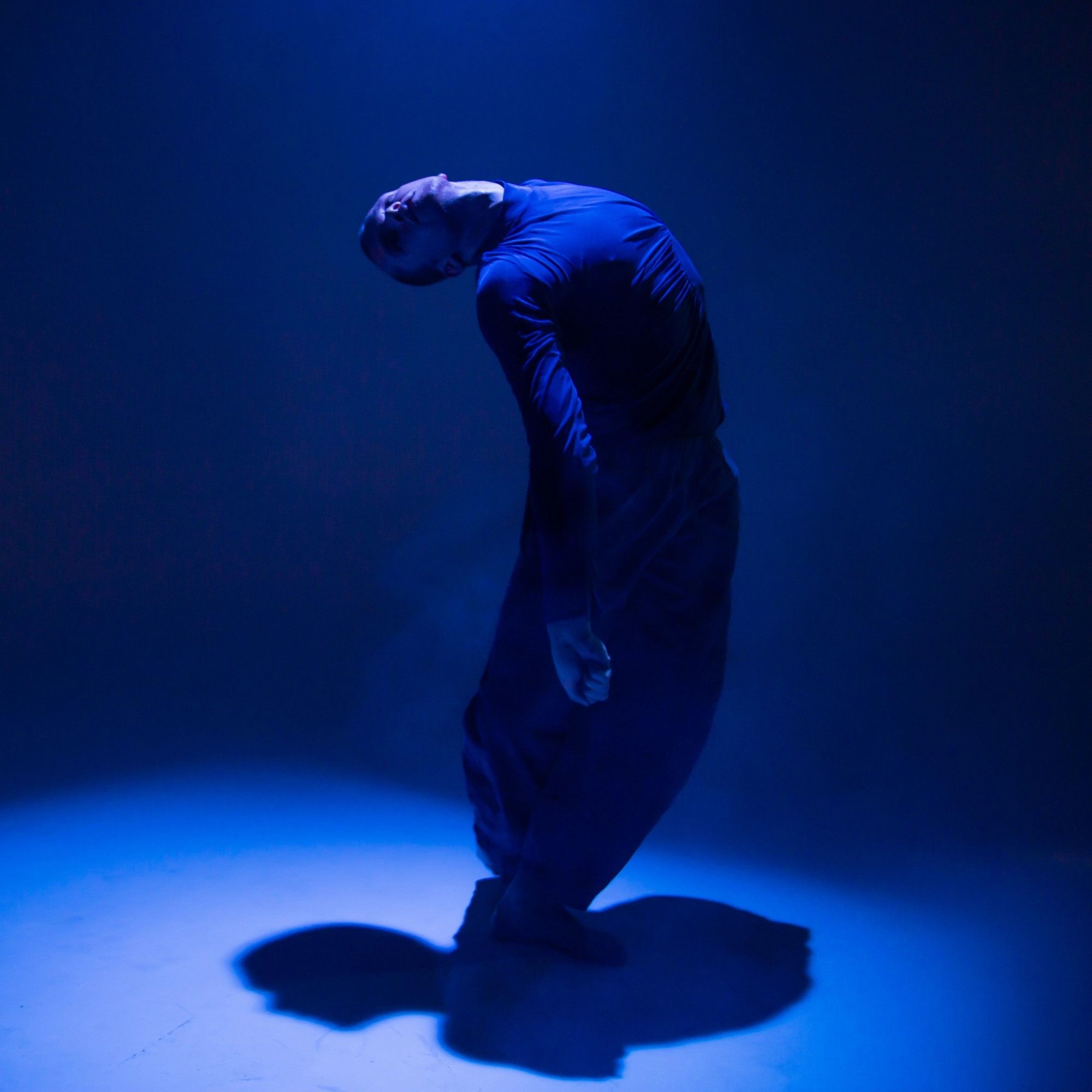
Yue Yin: The Deeper the Roots, The More We Grow
Milan Vukelić
Do you follow news from around the world? Besides the Gaza and Ukraine conflicts, most global media are fixated on the deepening chasm unfolding before the world's eyes in the relations between China and the West. From the perspective of Western media, China is portrayed as Mordor from the East, threatening to engulf and destroy everything dear and important to us, waiting for the first opportunity to create global havoc. In such a world, and precisely at this moment, on the stage of the Zvezdara Theater as part of the Belgrade Dance Festival, the dance troupe of choreographer Yue Yin performed. The team presented two pieces, "Murmur" and "Through the Crack in the Air," impressively demonstrating how art can indeed unite seemingly incompatible elements.
The deeply considered choreographic language was executed virtuosically by the dancers, bringing to life the unique technique of choreographer Yue Yin, which represents a blend of traditional Chinese dance and contemporary movement. Perhaps the geopolitical rift between China and the West is indeed deepening, but this performance couldn't be further from that world. In it, contemporary dance expression is organically intertwined with movements characteristic of traditional Chinese dance, with the connecting thread being music inspired by Tibetan throat singing and Mongolian music. We deliberately refrained from asking Jue Jin anything about geopolitics. We let the dance speak for her on that matter. And she has a lot to say through her dance.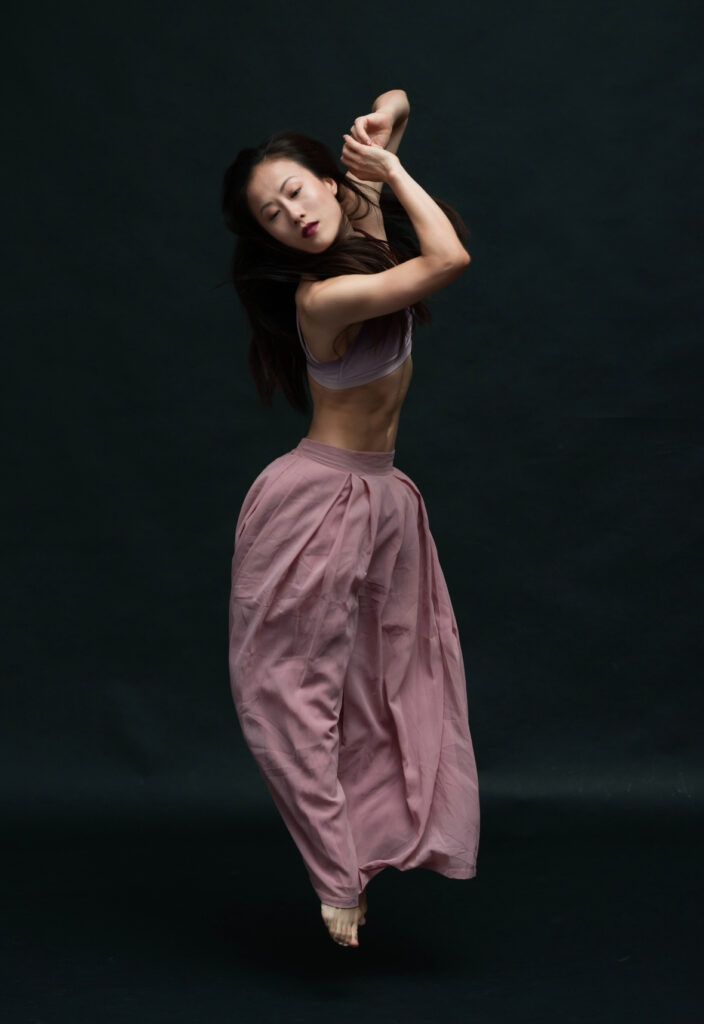
After watching your performance at the Belgrade Dance Festival, some friends asked me what the performance was about. Such a simple question, yet so difficult to answer! My response was: It's about growth, both personal and interpersonal. How would you phrase your answer?
These two pieces, "Ripple" and "Through the Fracture of Light," depict ideas and "energy" stemming from movement and the FoCo technique. As a choreographer, I always start from the movement itself and allow it to tell the story. The movement in "Ripple" is calculated, restrained, and intimate, as the piece was created during the pandemic. In a way, it's about how we experience and respond to such unexpected and even existential events. "Through the Fracture of Light" is a piece where our experiences are magnified and emphasized, with the essence lying in the power of the collective. This particularly applies to the last and most dramatic scene, where all the dancers unite. In any case, I aim to connect the energy and movements of the dancers with the energy of the audience.
Could you explain your FoCo technique a bit? How did you create it?
FoCo is a contemporary dance movement technique that combines Chinese classical dance, folk forms, ballet, and contemporary vocabulary. It's the point where East meets West. I started developing this method of dance learning and structured forms in 2012 while pursuing my master's studies at the Tisch School of the Arts. I've been continuously refining this methodology since then, both as a performer and a choreographer. The goal of each new creation is to contribute to the understanding of what that technique should be. It always evolves during the creative process and choreographic exploration.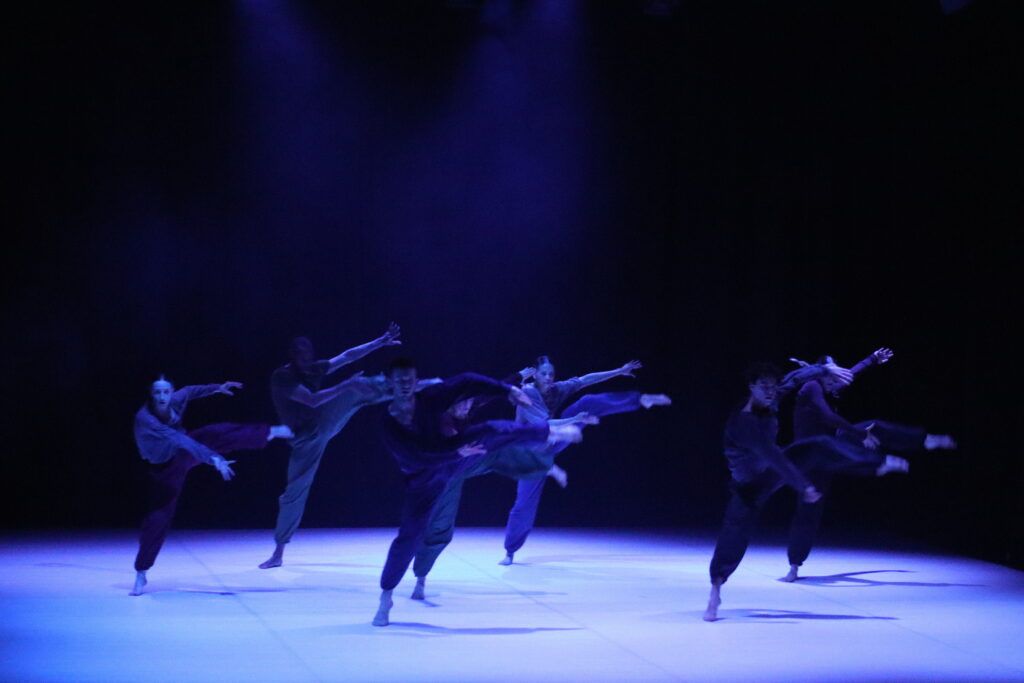
When I spoke with Erve Cuby, whose company also performed at the Belgrade Dance Festival, he talked about how he incorporates elements of traditional dance into his work. The essence of what he does is not about creating purely folkloric dances trapped in time but using them to create something contemporary. Is this also your approach?
That's similar to my choreographic approach. How to take something personal from the past, something related to culture and ethos, and bring it into something present-day, relevant to the contemporary dance scene. I don't want to train dancers in traditional dance, but I want to acquaint them with a new way of understanding, accepting, and using traditional forms so that they know what contemporary dance can become. The deeper the roots, the more we grow.
A few years ago, we had the opportunity to see Shen Wei Company in Belgrade. I noticed some similarities between his work and yours. Do you have any favorite choreographers who blend their artistic expression with traditional art?
I can't recall any specific choreographers who do that, but great examples for me are the works of Akram Khan and Hofesh Shechter. Erve Cuby is a new name to me, and I recently discovered his work at the Joyce Theater in New York, which was a very inspiring experience for me.
How often are you surprised by what dancers bring to your performances? Can you tell when one of them might become a choreographer themselves?
I'm always surprised and impressed by what the dancers bring as a completely new approach to movement and how they convey the essence in their own expression. None of my dancers have the experience of living in China or studying Chinese dance movements. Nevertheless, they embodied what they learned and created something new relying on technique, practice, and dedication. So, I don't see them on stage merely as mimicking movements. I believe many of them are interested in choreography, which is evident in their fascination with movement and attention to detail.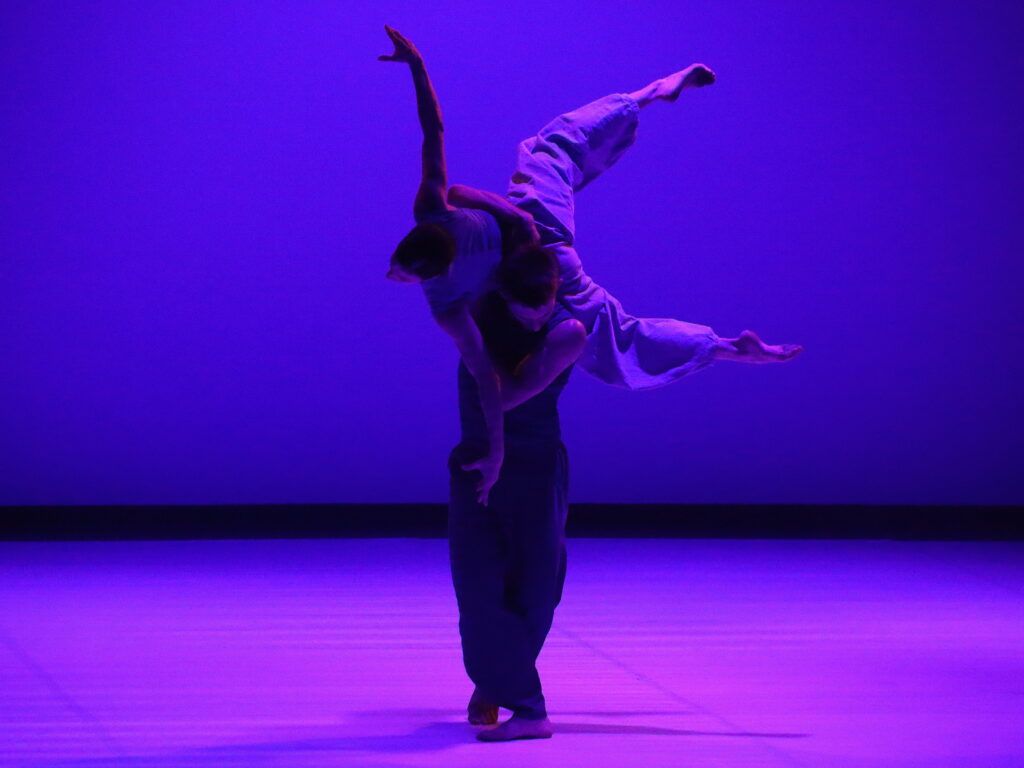
Your piece "Through the Fracture of Light" is truly magnificent, and I think the excitement was visible on people's faces in the theater audience. How important was music during the creation of this piece? The moments with Tibetan throat singing were particularly striking.
Thank you for these words! I believe music plays an important role in setting the tone, building tension, and thickening the air during the performance. In the case of "Through the Fracture of Light," it gives both the dancers and the audience something tangible to hold onto and witness during the performance. The music was specially commissioned for this dance, and the original composer is Julian Jones, who lived in China and has a deep understanding of Chinese instruments. The music combines Tibetan and Mongolian musical elements, creating a perfect landscape for the expansion of movement.
Somewhere, I read that you love cooking. You have a theory about the connection between cooking and dance. What is that theory?
That's a very interesting question. My husband and I often cook together at home and truly enjoy it. It's a meditative process for me where you can immerse yourself in preparation and combining ingredients, and there are always possibilities for surprises.
Source: N1.
Dina Bajrektarević: On Conversion Practices
The first study on conversion practices in Serbia shows that they are most often carried out within families, educational institutions, and informal communities, frequently under the guise of care, counseling, or assistance.
Miloš Lolić: There Will Be a Bitef, but a Guerrilla One
If we find a suitable venue, this will almost certainly happen, and with that the vision my team and I have long hoped for will be fully realized—a free, libertarian Bitef.
Klara Vlasakova: The End of the World, the End of Imagination
One of the many fine events prepared by the Czech Center in Belgrade was the visit of Klara Vlasakova, a young Czech writer, playwright, publicist, and author of film scripts, as well as radio plays and comics.