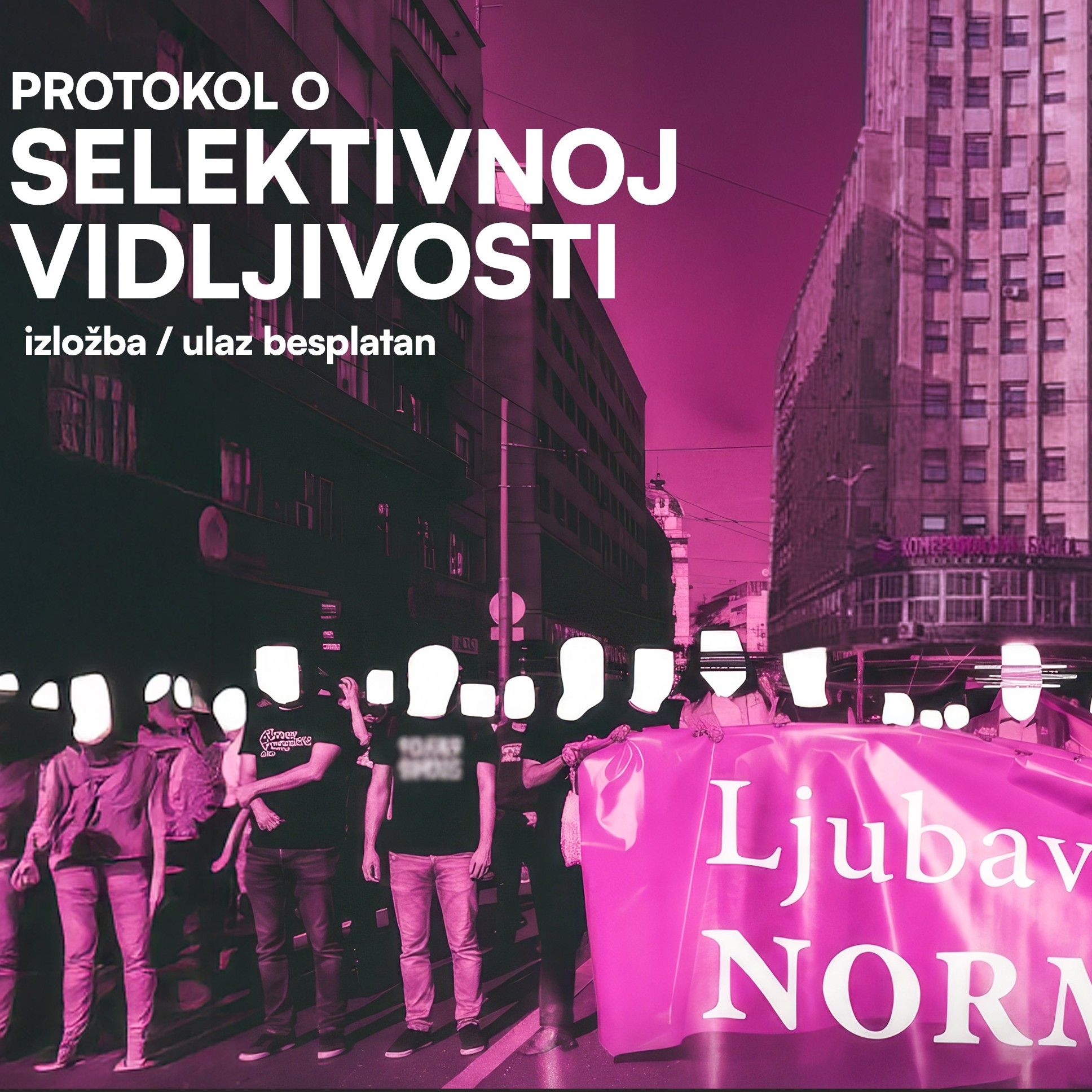
Protocol of Selective Visibility
Danilo Prnjat
Opening: Monday, 31 August 2026, at 6 p.m.
Exhibition dates: 31 August–5 September 2026
Venue: European House, 8 Zmaj Jovina Street, Belgrade
Author and curator: Danilo Prnjat
Project associate: Dušica Popović
Organised by: Center for Queer Studies
Supported by: Belgrade Pride and Civil Rights Defenders
The exhibition “Protocol of Selective Visibility”, marking twenty-five years since the first attempt to organise a Pride Parade in Belgrade (2001–2026)[1], functions neither as a celebratory retrospective nor as a commemoration of a quarter-century of queer activism in Serbia. Instead, it operates as a forensic analysis of spaces, bodies, and documents within a system that has frequently reduced the emancipation of its citizens to its own market and political currency.
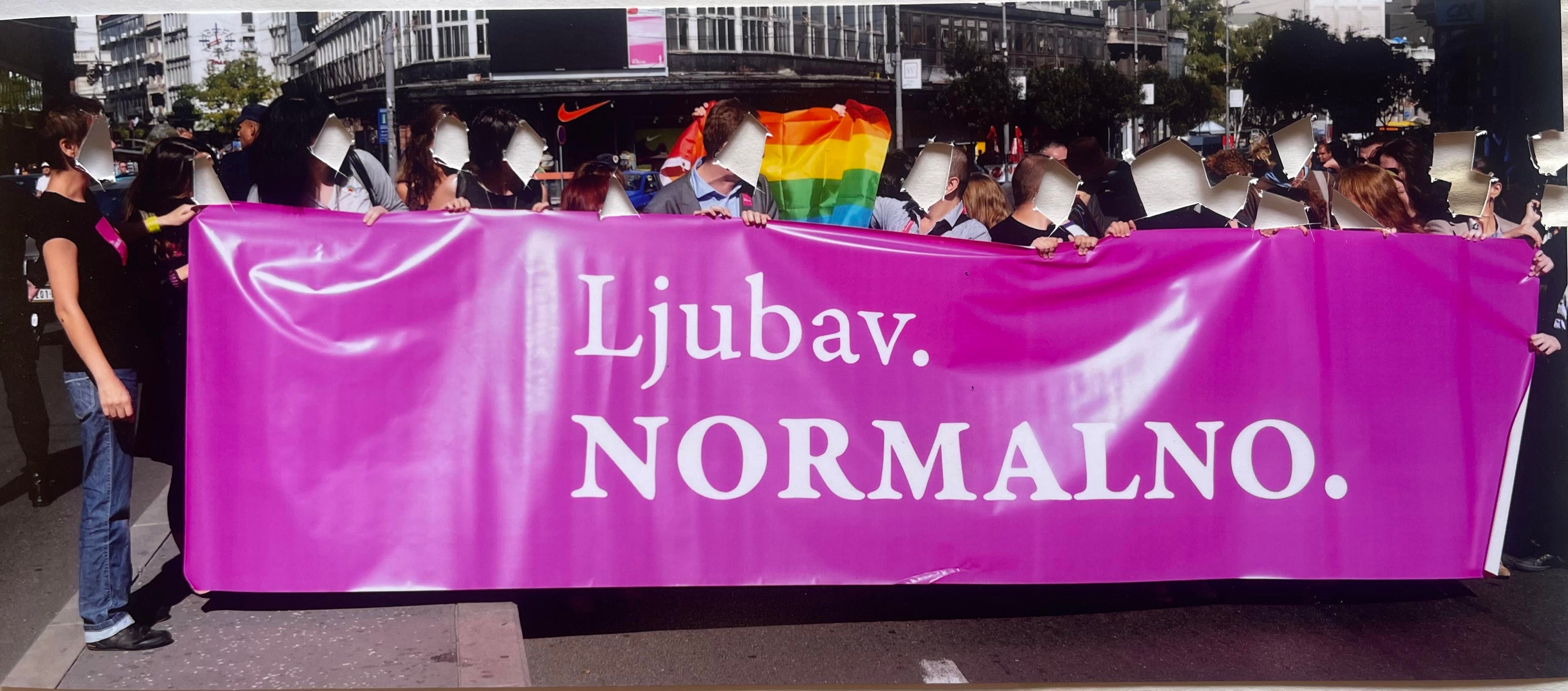
At the centre of the exhibition is a deliberate act of destruction of archival material: the faces of the protagonists of the struggle—the participants in Belgrade Pride—have been surgically excised from historical photographs and deposited in a transparent Plexiglas box in the centre of the gallery. There, they are mixed with administrative waste: rejection letters from ministries, constitutional provisions, draft laws that were never adopted, and official decisions imposing levies on businesses.[2] This material gesture does not address some abstract form of invisibility; rather, it marks the void created by the physical and political withdrawal of those who carried this struggle on their shoulders.
The archival photographs are supported by raw, fertile soil brought from the fields of Vojvodina.[3] This material conjunction directly links the queer struggle to the everyday material and economic crises confronting workers, peasants and students. Here, the system’s underlying mechanism reveals its single, unified face: the economic exploitation of resources and labour, the suppression of students’ demands for autonomy, and the disregard for the most basic rights of workers and peasants operate according to precisely the same principle as the suspension of the LGBTQ+ community’s civil rights. While agricultural land and labour are treated as expendable raw materials for subsidised capital, and student protests are stifled through bureaucratic and administrative pressure, the right to family life and the legal recognition of same-sex unions remain permanently obstructed by lawmakers.
The choice of the European House in Belgrade as the exhibition venue establishes the installation’s crucial architectural and conceptual framework. Situated within a space dedicated to articulating and promoting European values, the exhibition creates an opportunity to critically examine the mechanisms through which universal narratives of human rights are frequently confronted, at the global level, by the challenges of pragmatic reality and superficial external marketing (pinkwashing). This is the arena in which proclaimed standards of inclusion and modernisation come face to face with a clod of Vojvodina soil, bearing witness to the fact that human rights are structurally inseparable from economic sovereignty and the dignity of labour.[4] The space itself thus becomes an active participant in a dialogue about the tensions between institutional visions and realities on the ground.
The paradox of a state that for years had an openly lesbian prime minister—while legally denying that same visibility and security to thousands of other couples and families—is identical to the paradox of a system that boasts of macroeconomic growth while domestic producers block roads with tractors and young people abandon both universities and the country. In all these cases, crisis is managed according to the same pattern: selective, cosmetic marketing intended for external consumption, coupled with the internal pacification, exhaustion and fragmentation of every form of solidarity.
“Protocol of Selective Visibility” therefore refuses to isolate the queer struggle within a safe, commercialised bubble of identity politics. By bringing together statistics, the detritus of bureaucracy, erased identities, and soil as the foundation of material survival, the exhibition maps the common denominator of oppression and asks: who truly possesses the right to visibility, the right to work and the right to remain in this society?
Footnotes:
[1] The official organisers of Belgrade Pride from 2001 to the present have included Arkadija and Labris (2001); subsequently, an informal Organising Committee involving Labris and Gayten-LGBT (2009–2010); and then the newly established Belgrade Pride, working in cooperation with organisations including Civil Rights Defenders, Da se zna!, IZAĐI, the Duga Association, Potent, Heartefact and YIHR (2011–2022). Since 2023, the registered Belgrade Pride network has served as the umbrella organisation through its permanent boards and committees. The archival photographs used in this exhibition were provided by Civil Rights Defenders.
[2] The material in the box includes authentic copies of decisions issued by various ministries, the 2021 Draft Law on Same-Sex Unions, and transcripts of official statements issued by the Office of the Government of the Republic of Serbia.
[3] The soil used in the exhibition space was provided by members of independent farmers’ associations from Vojvodina.
[4] See: https://serbiaexpo2027exposed.com/political-perspective/

Pride Photos (short selection):
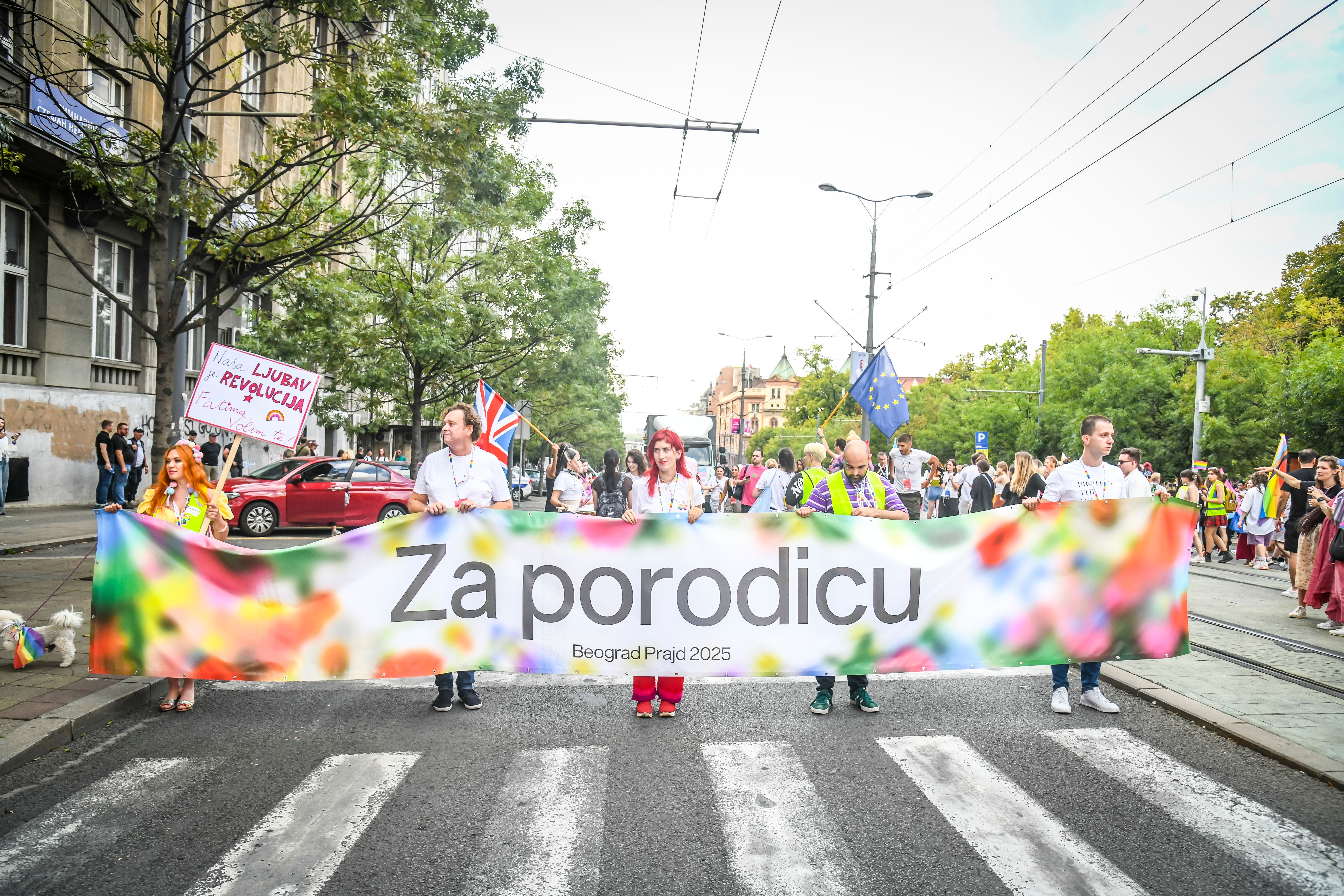
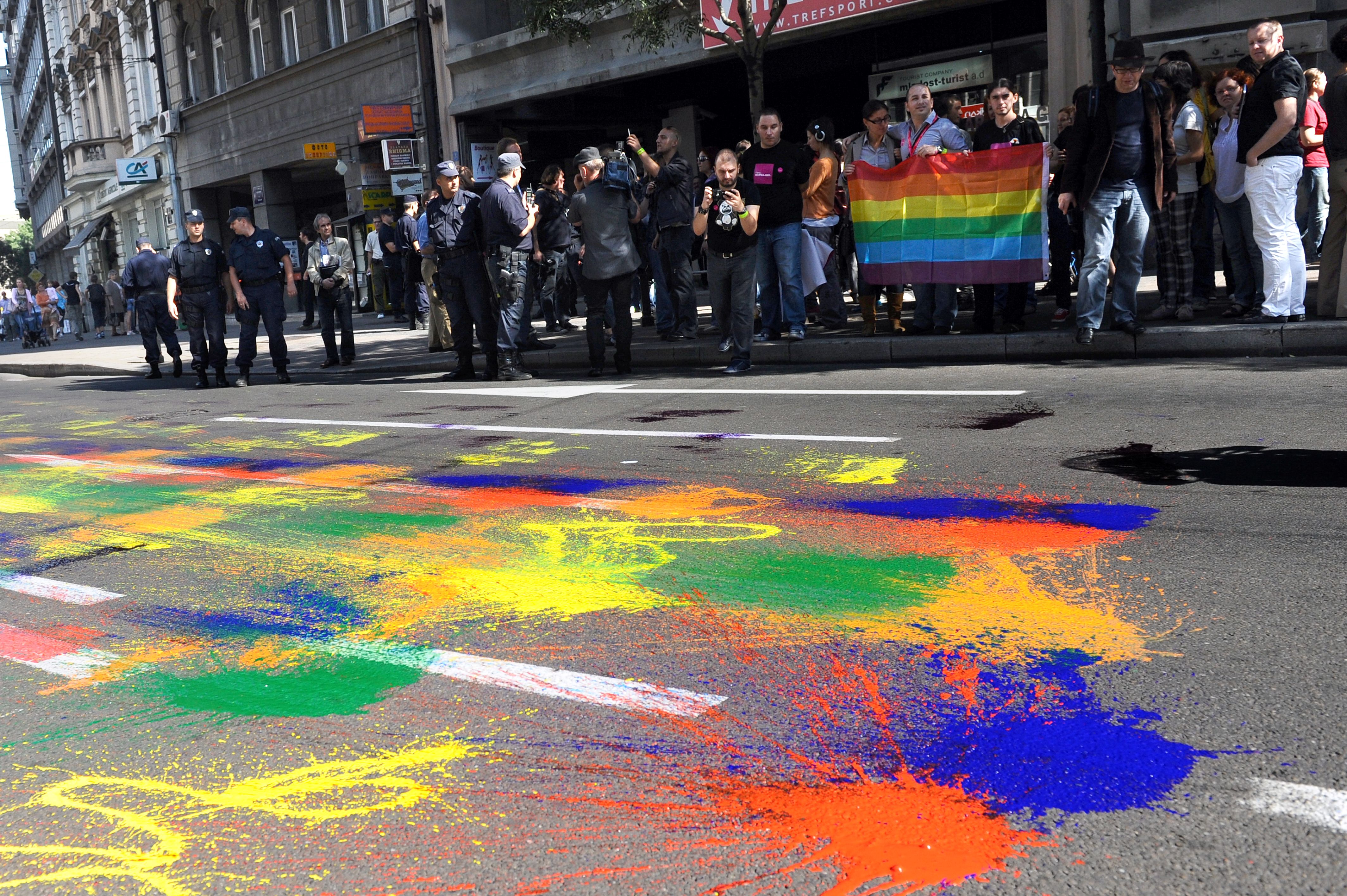
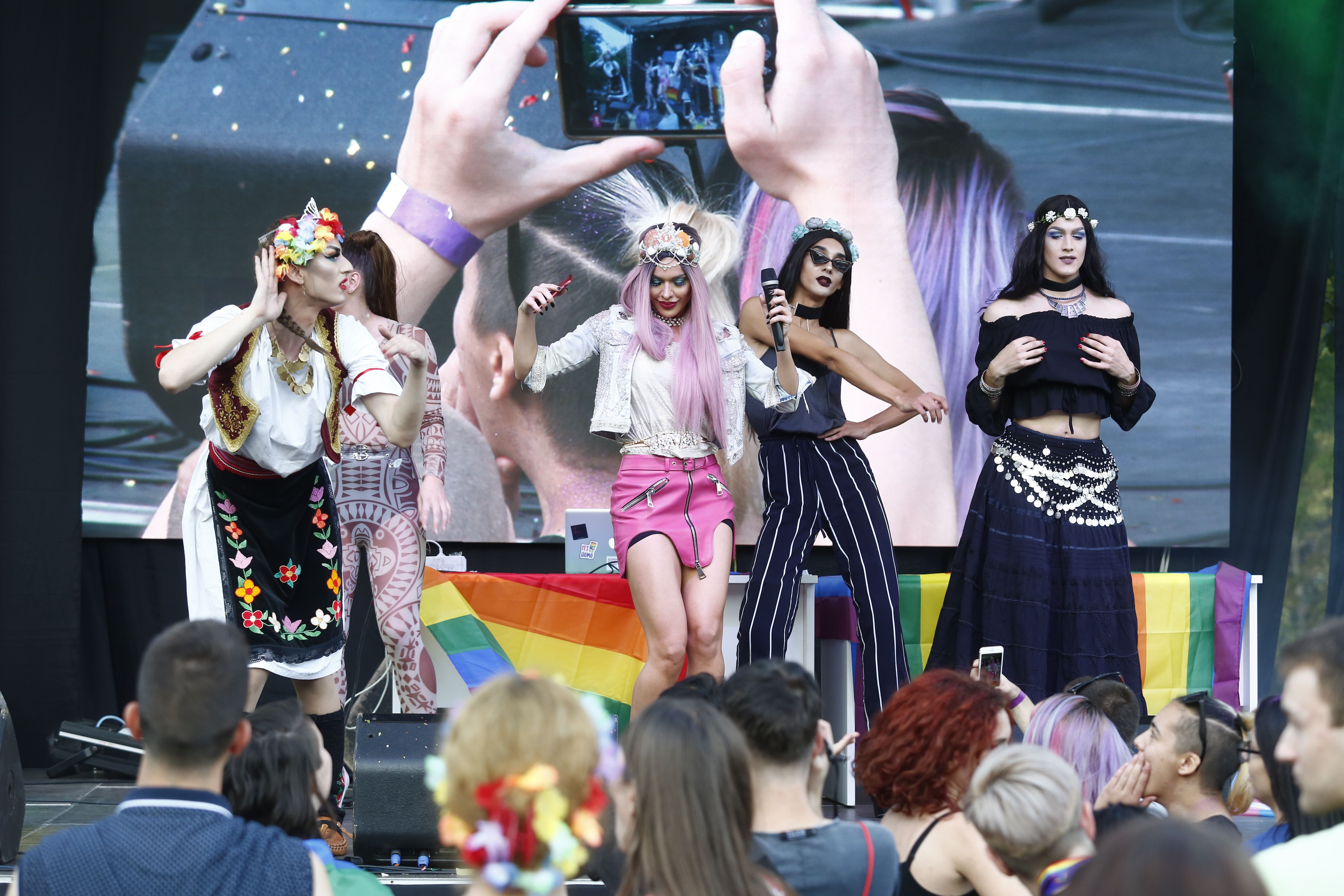
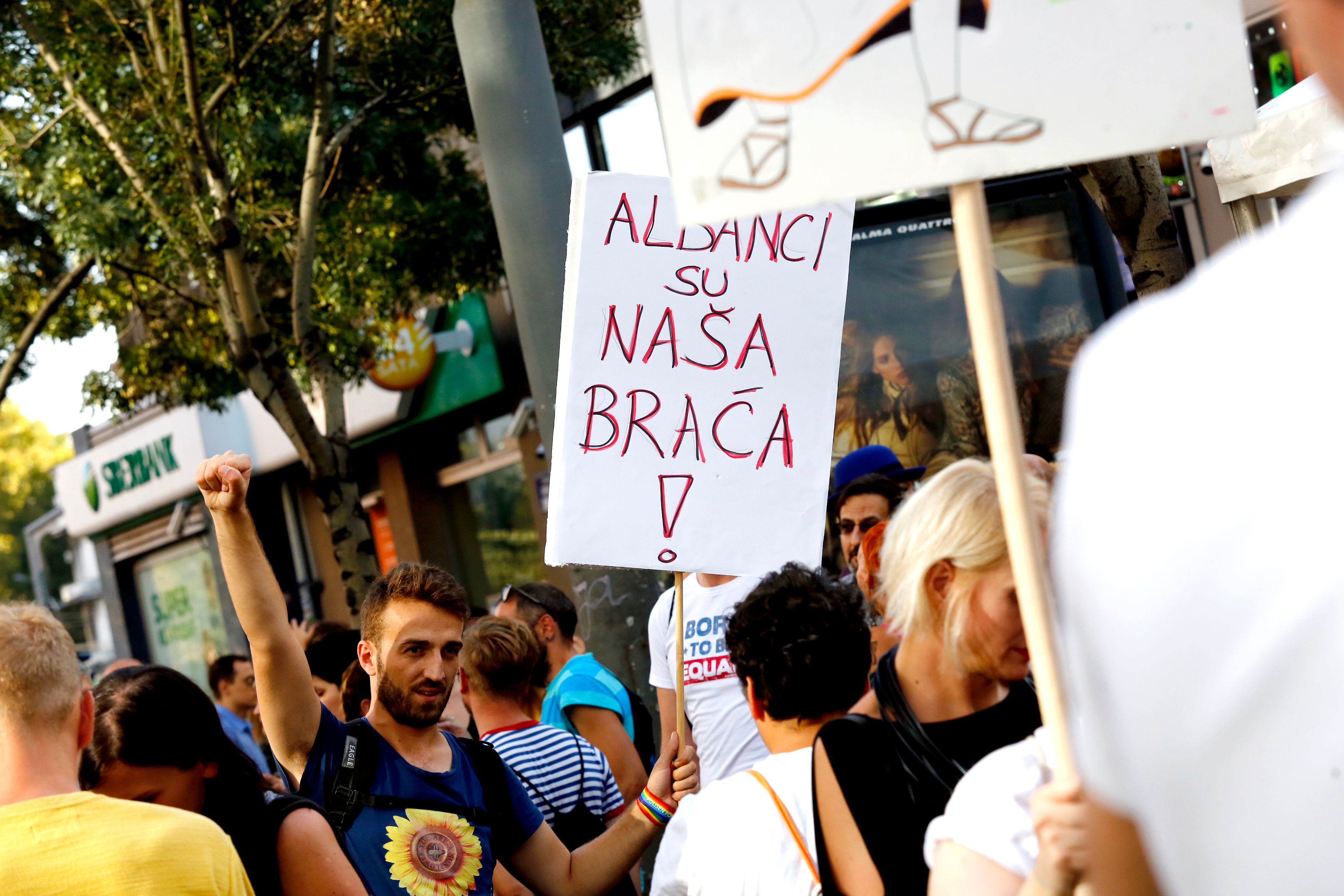
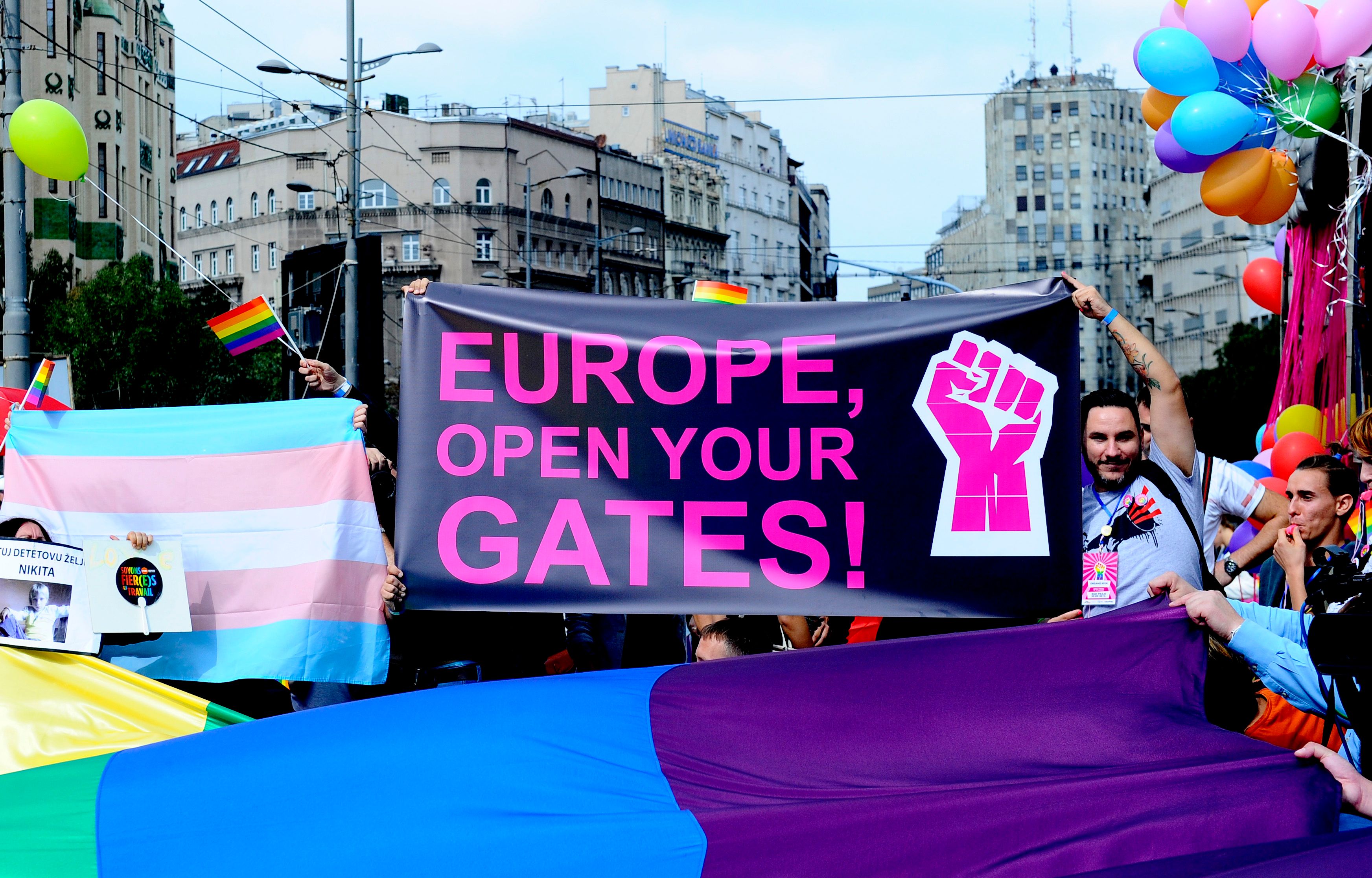
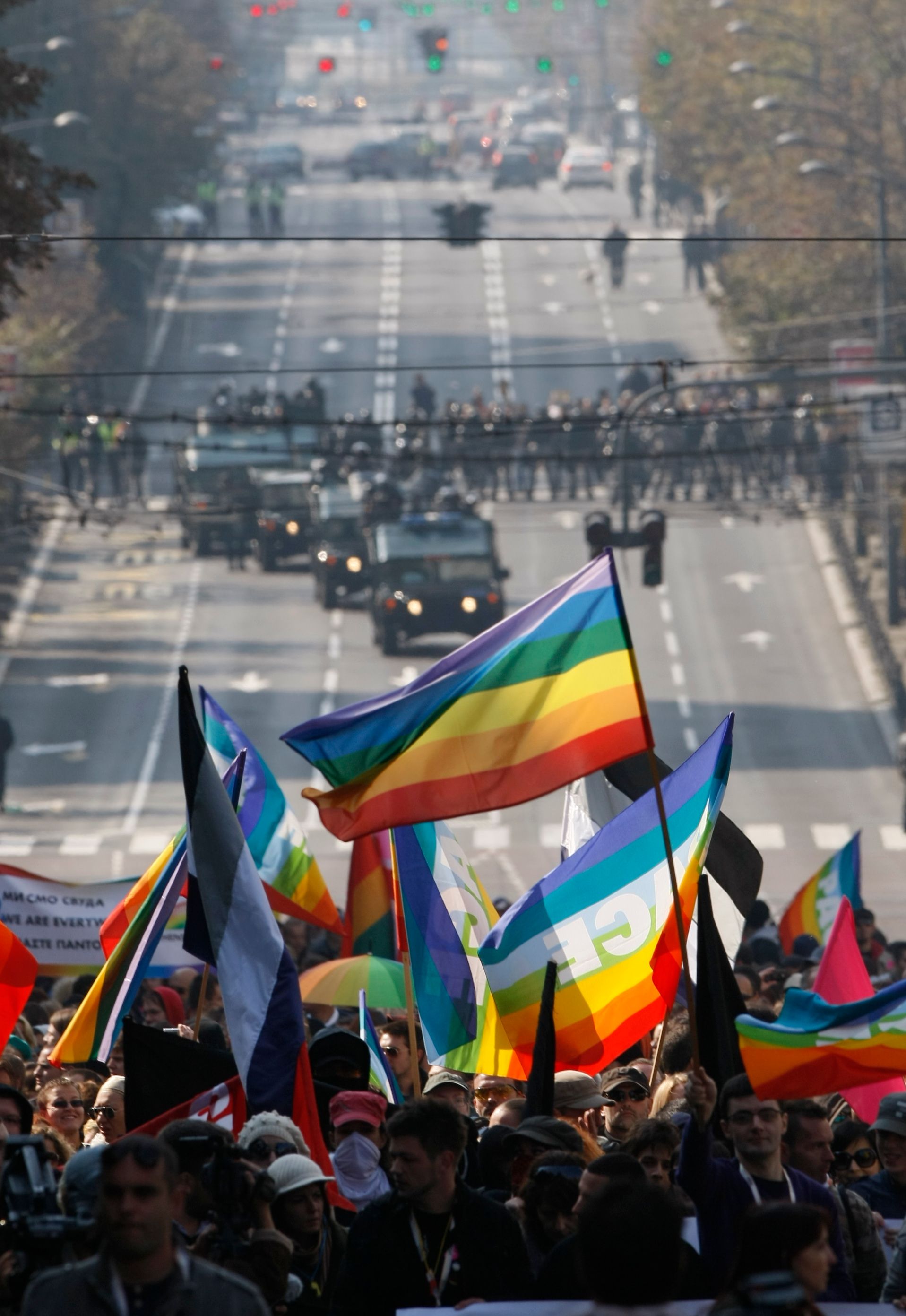
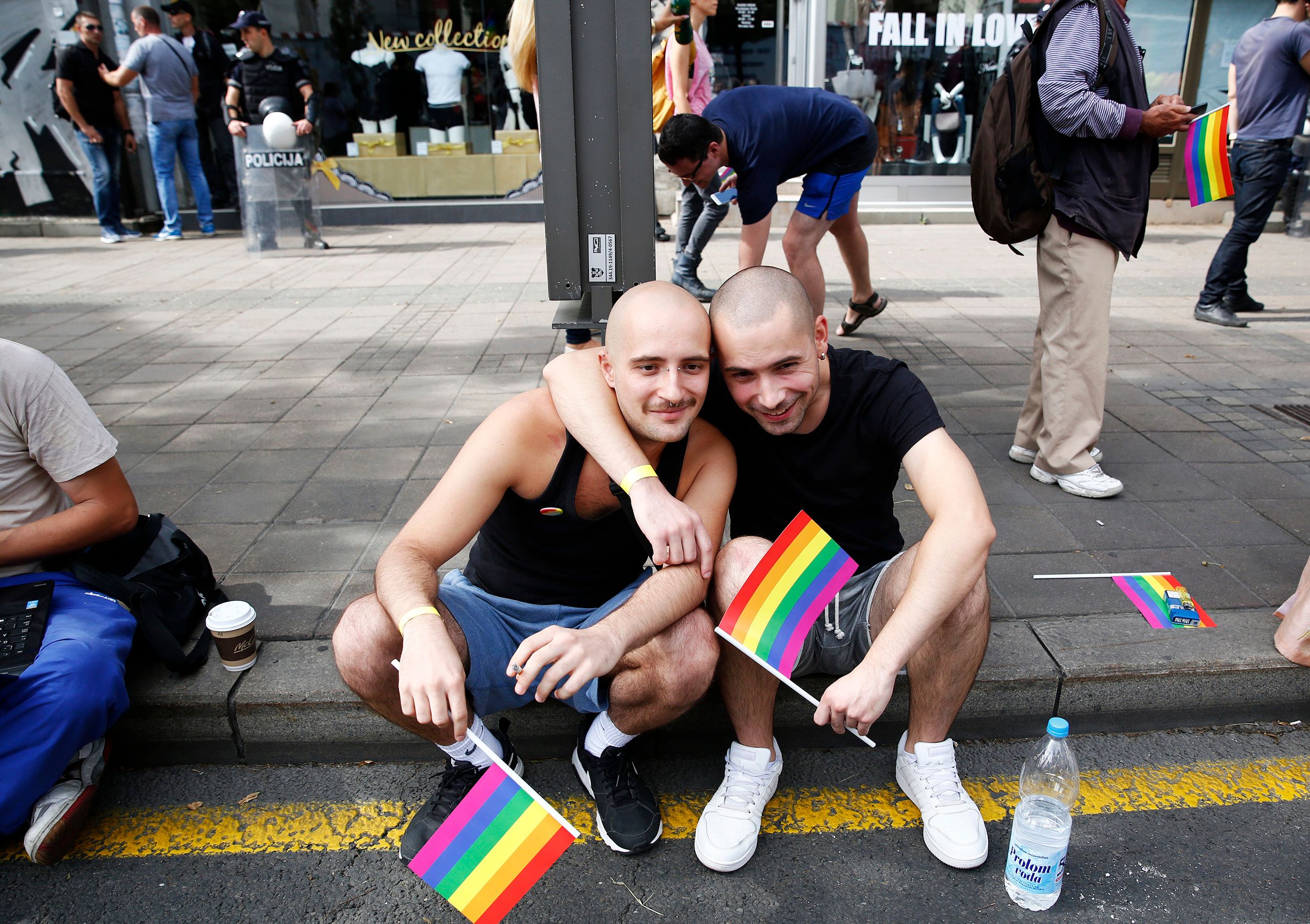
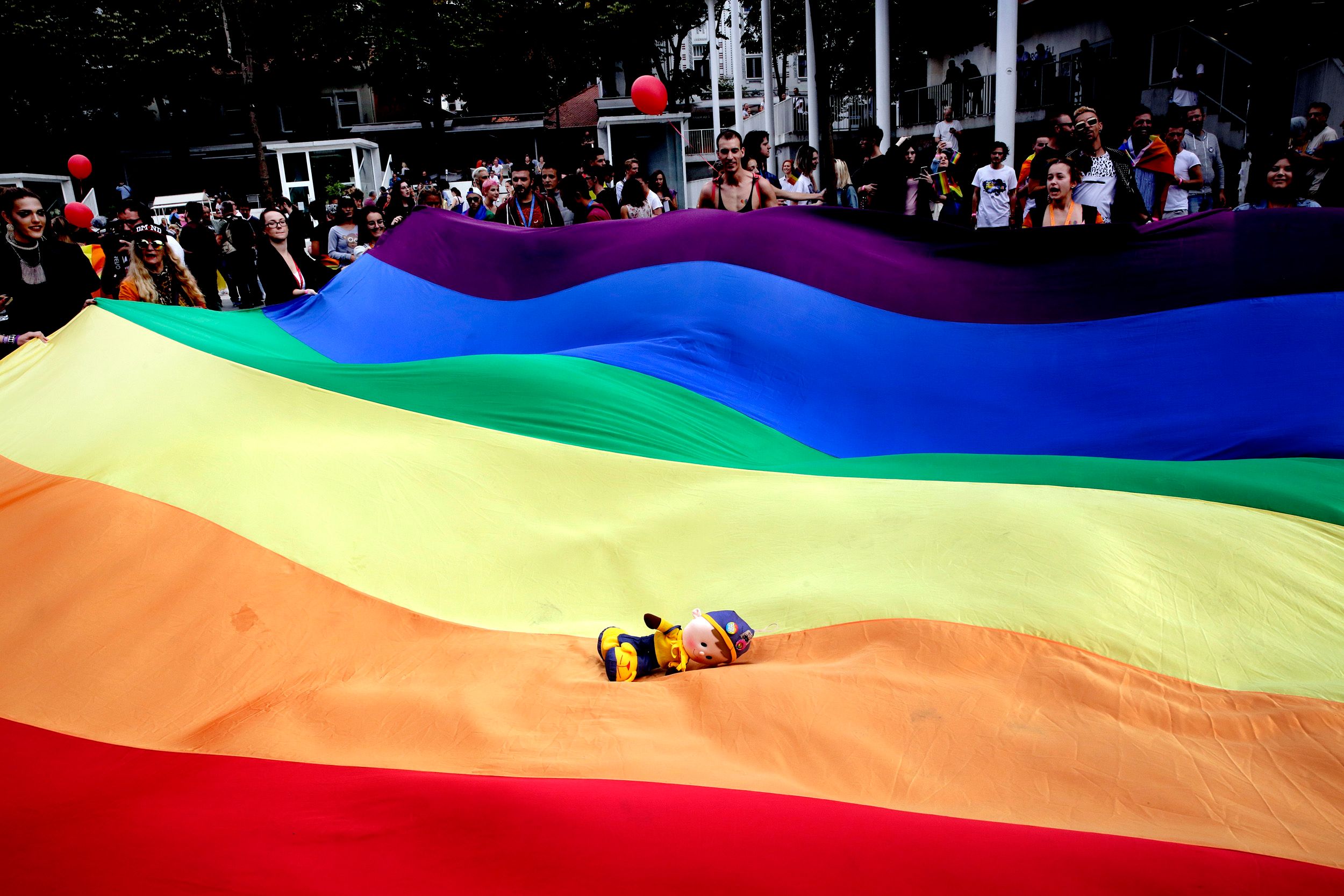
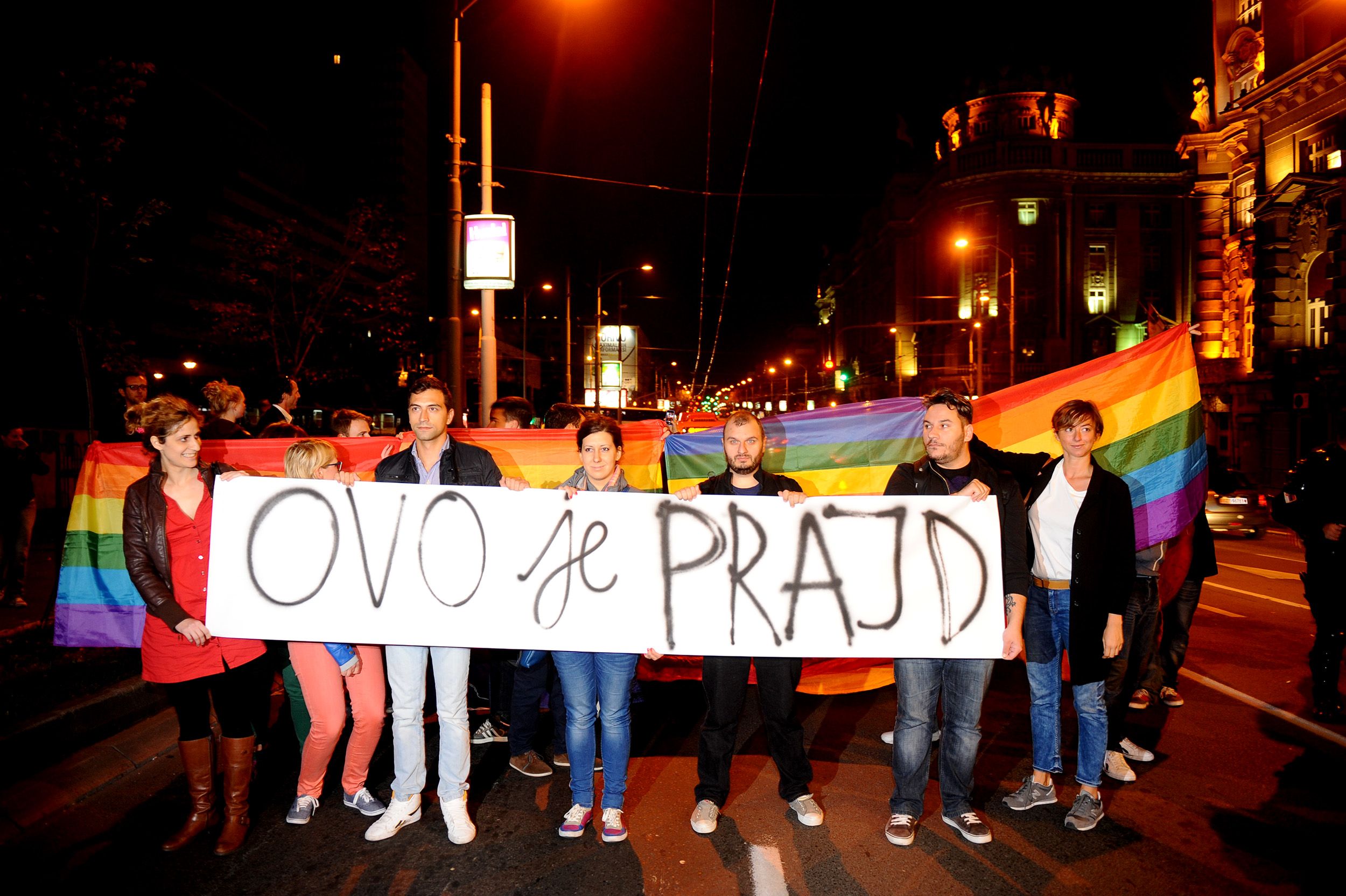
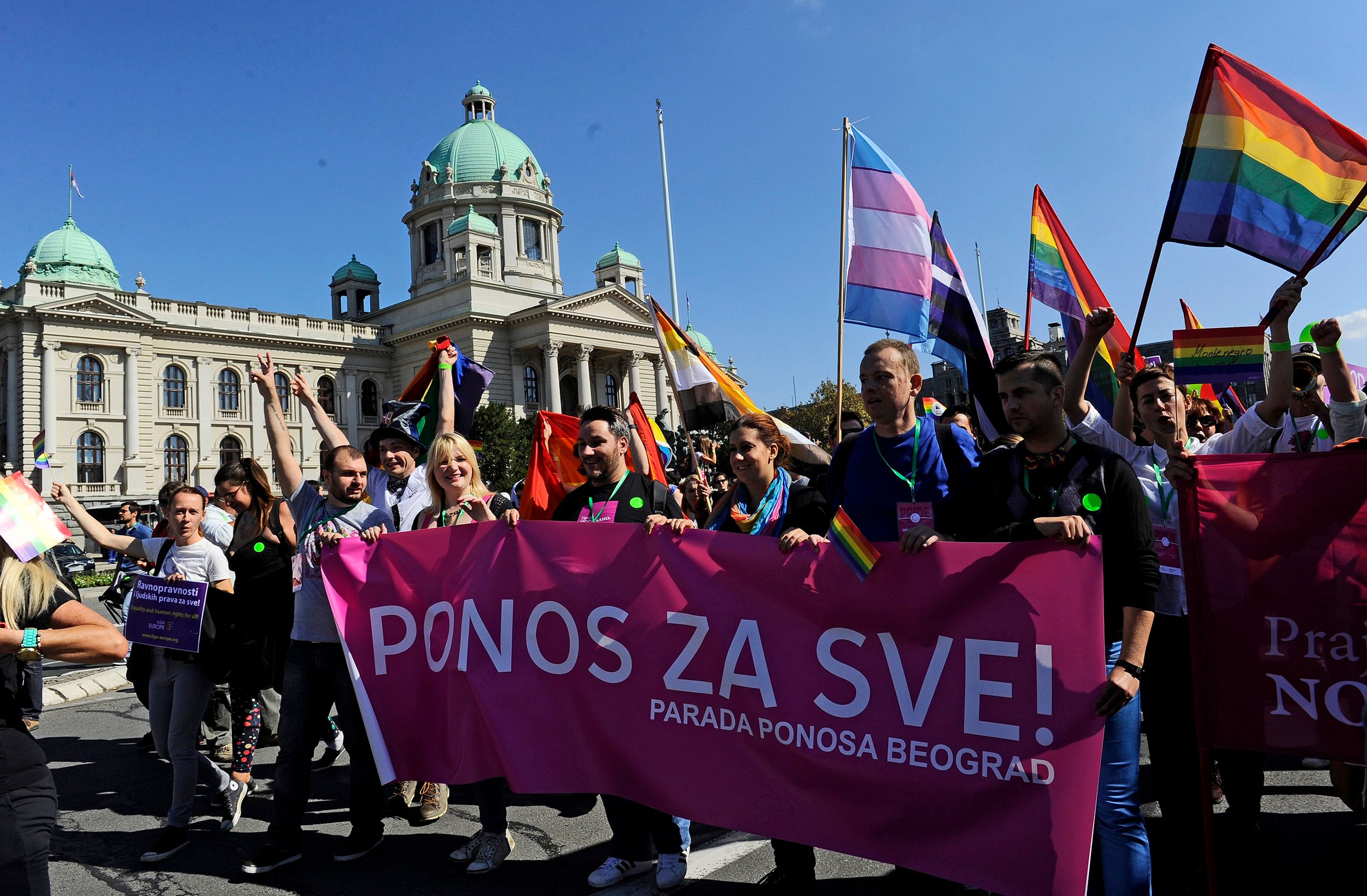
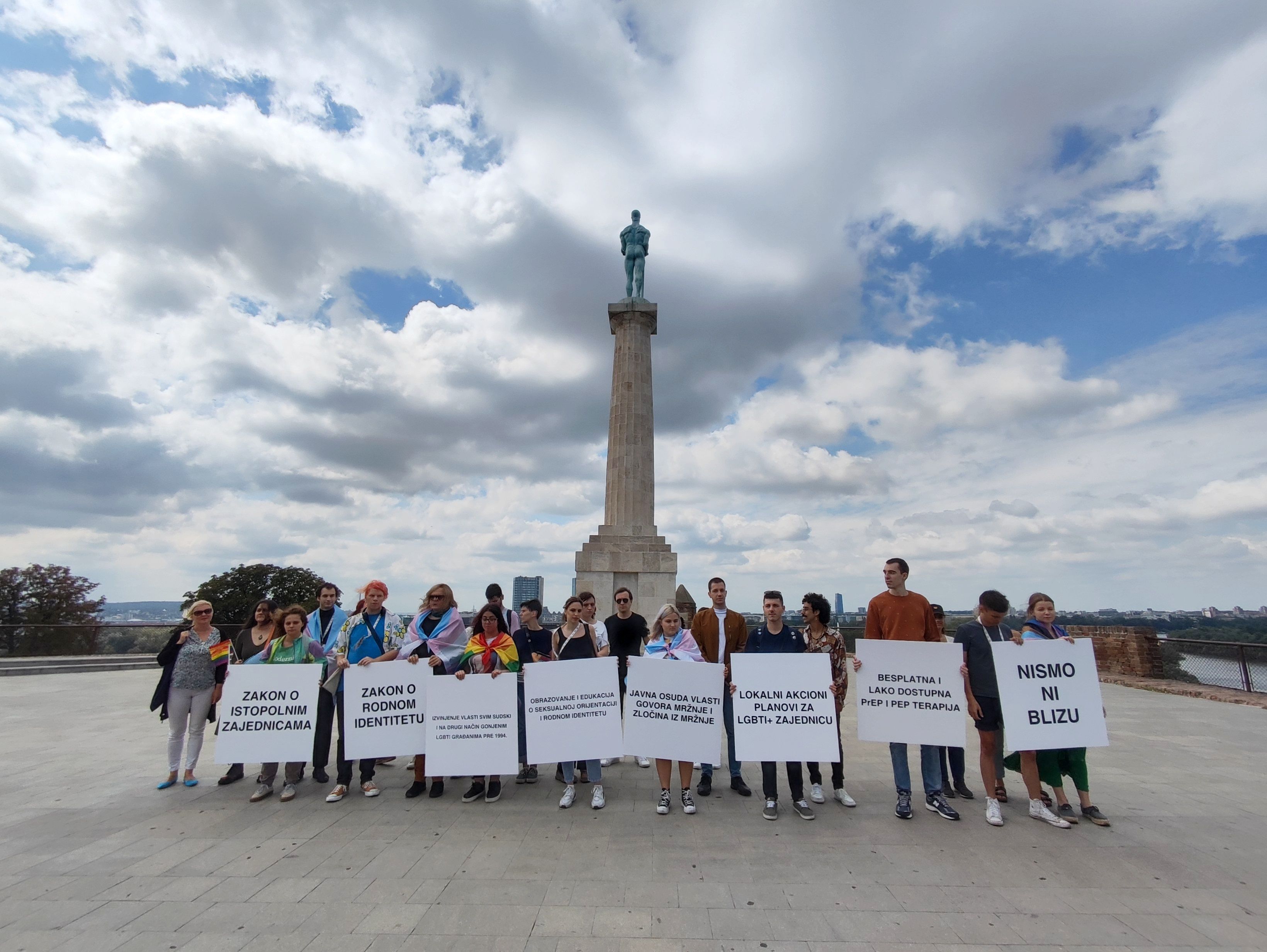
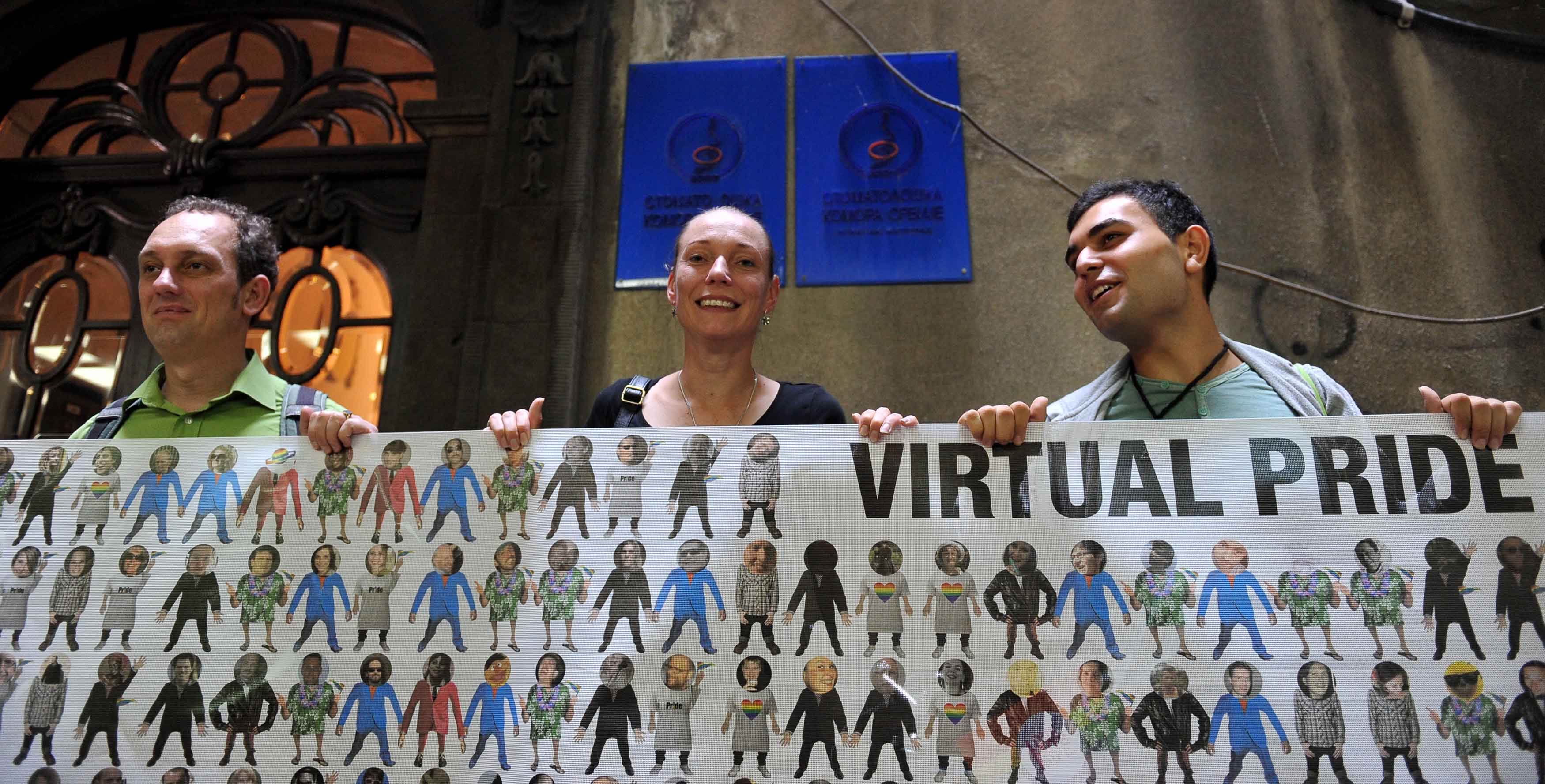
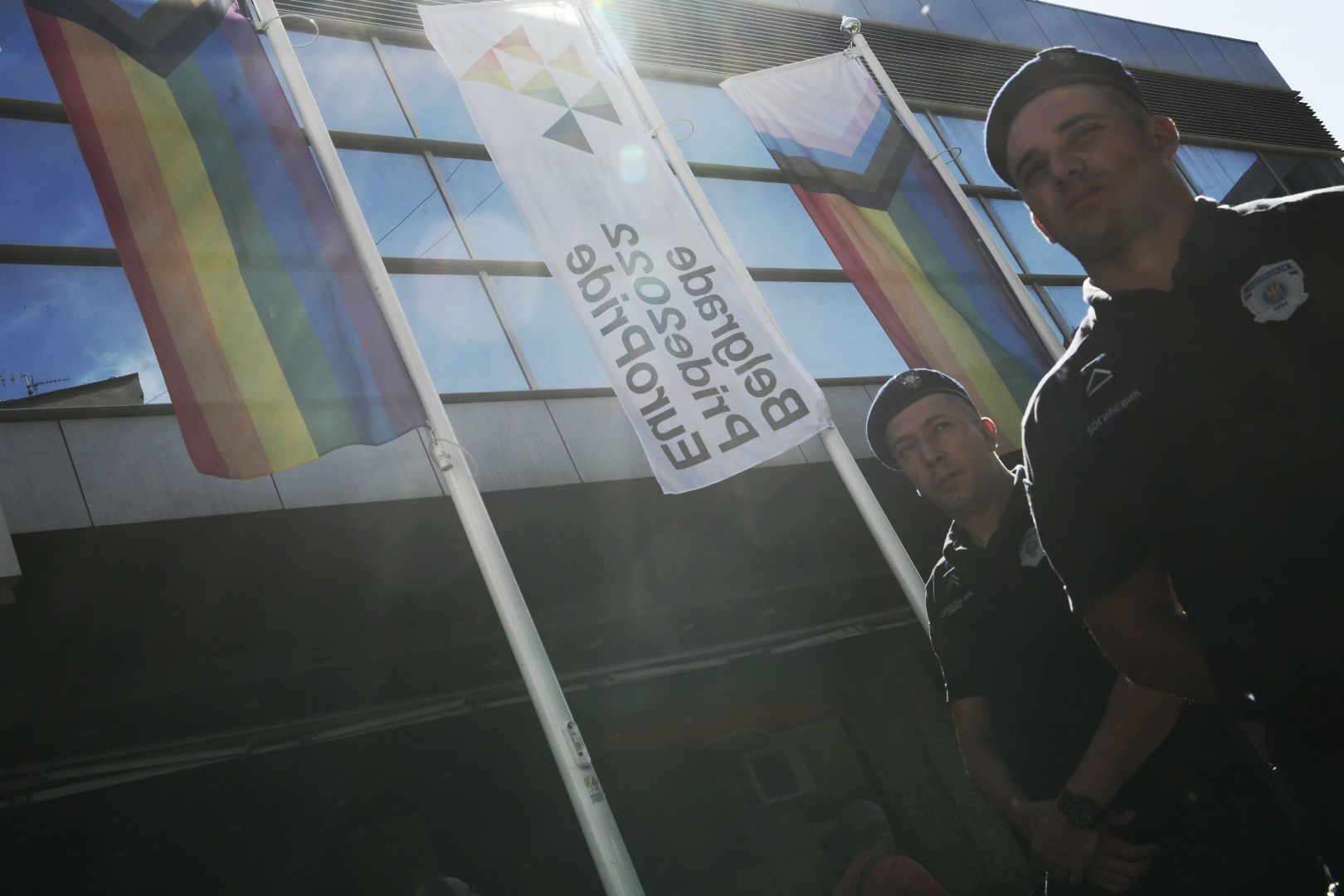
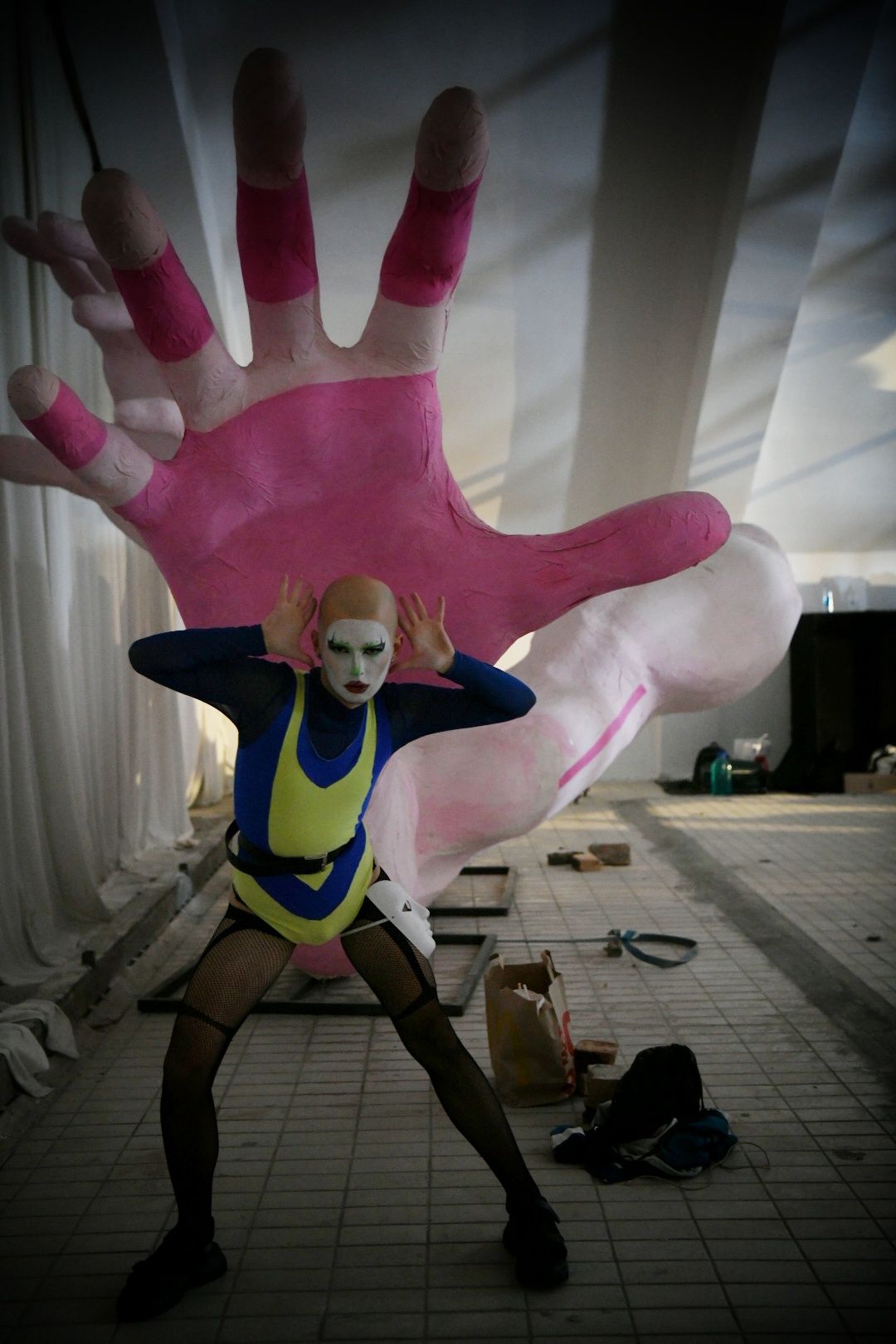
Photographers: Vesna Lalić i Filip Bojović (2010–2024),Dragana Udovičić/Goran Srdanov (2025), Jelena Vasiljević (2001), Dušica Popović (2025).
Dead Inside, But Still Horny!
An Open Discussion on Dating in the Age of Grindr, Hookup Culture, and Mental Health
Queer Studies 2026
Lecture announcements for the first semester.
Queer Studies 2026. First semester.
In the 2026 academic year, Queer Studies will once again be a two-semester course consisting of 24 lectures, held at the Institute for Philosophy and Social Theory.