Zheng Bo: Fern in an Eco-Frame Perspective
Stevan Vuković
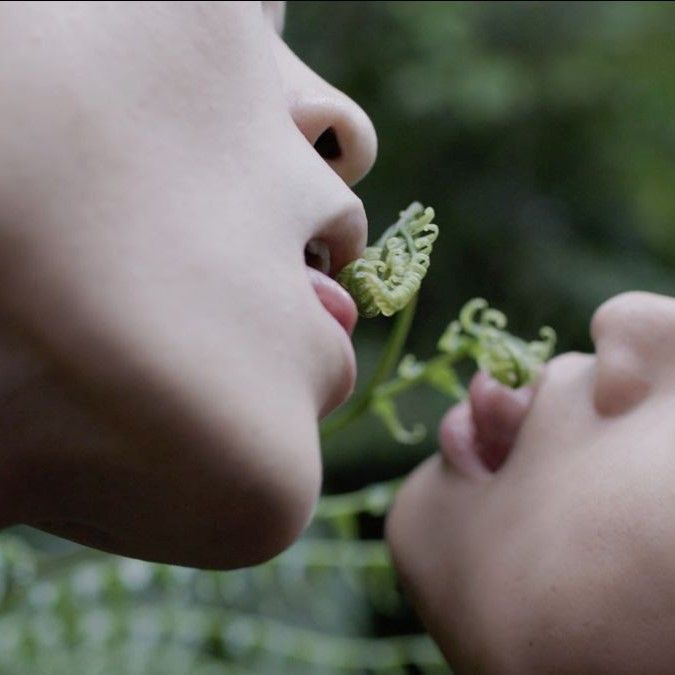
From the perspective of Taoism, it is necessary to achieve harmony between the hand and the plant, culture and art, asserts Zheng Bo. This harmony is exceptionally eroticized in his works, and is referred to as Pteridophilia, or sexual inclinations towards ferns. However comical or even contrived it may sound to some, in the visual composition of his works, such relationships, where we encounter naked young men among plants in the jungle, create a quite powerful and striking impression. All scenes are highly aestheticized, subdued, and slowed down, with shifted perspectives or gravity lines, so they do not appear repulsive but instead generate a state of reflection on the meaning and purpose of performing these rituals.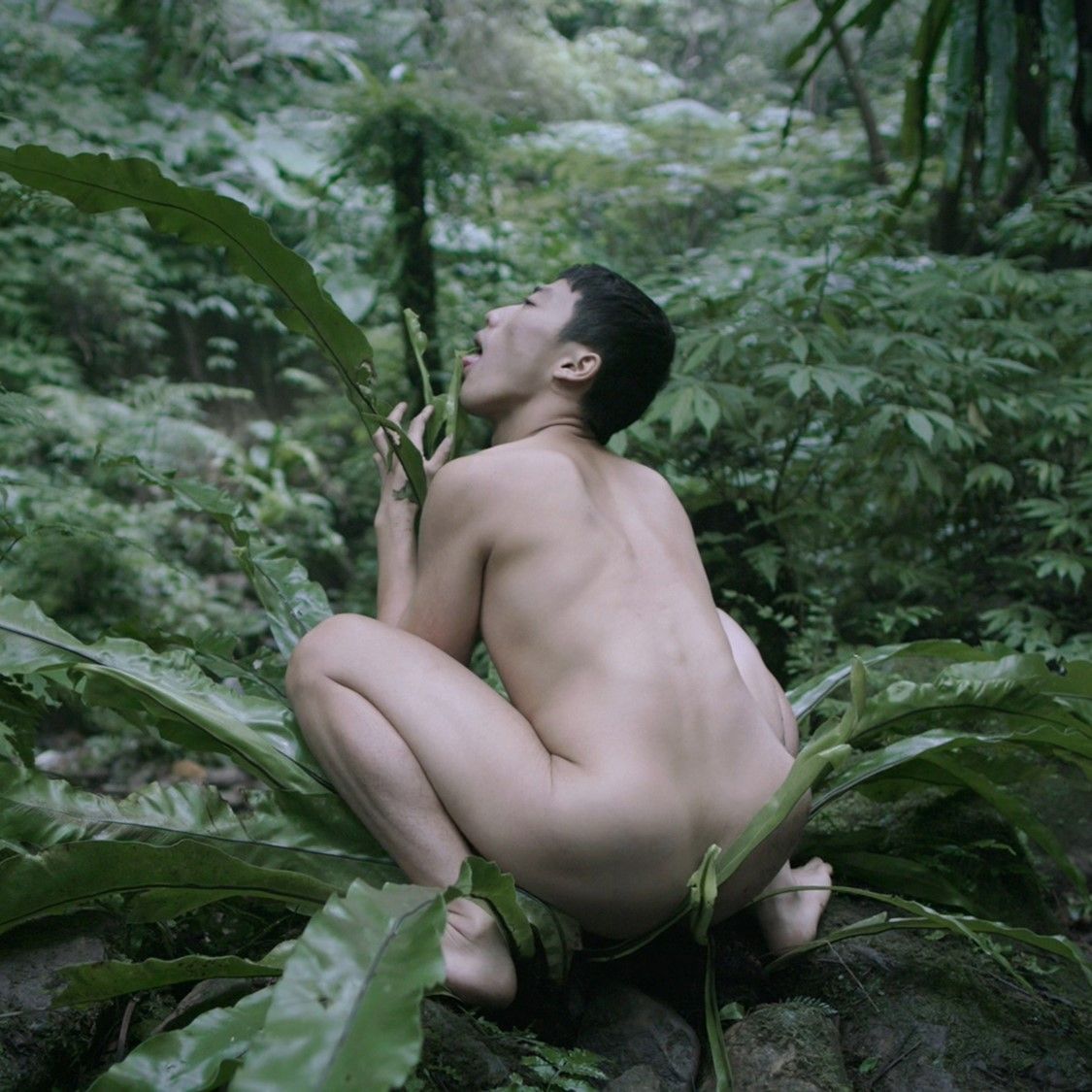
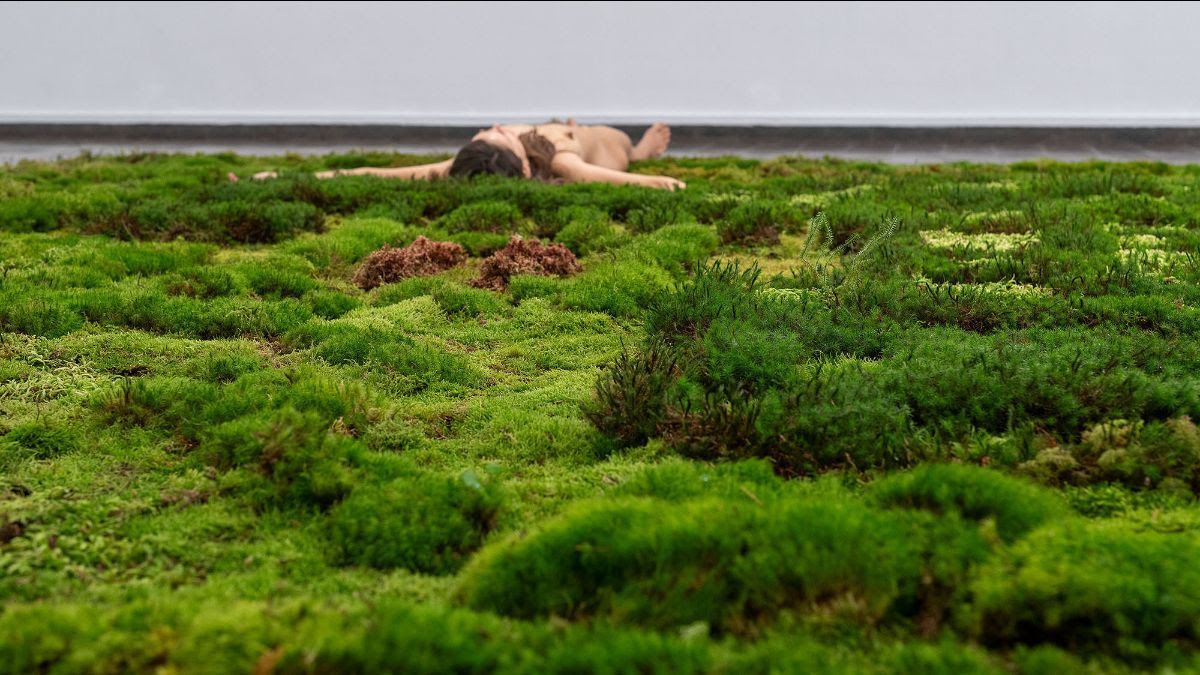
In Sweden, there are over a thousand species of moss (compared to only about thirty species of trees). Zheng Bo's living carpet is made up of eight species of moss that are most present in the surroundings of Gothenburg, where the exhibition for which the carpet was made and opened (at the Kunsthalle in Gothenburg), and can be seen until the middle of next month. The living moss carpet is inspired by the weaving of feminist textile artist Märta Måås-Fjetterström (1873-1941), who exhibited a century ago under the title "Hästhagen," setting the stage for female performers and artists who visit it.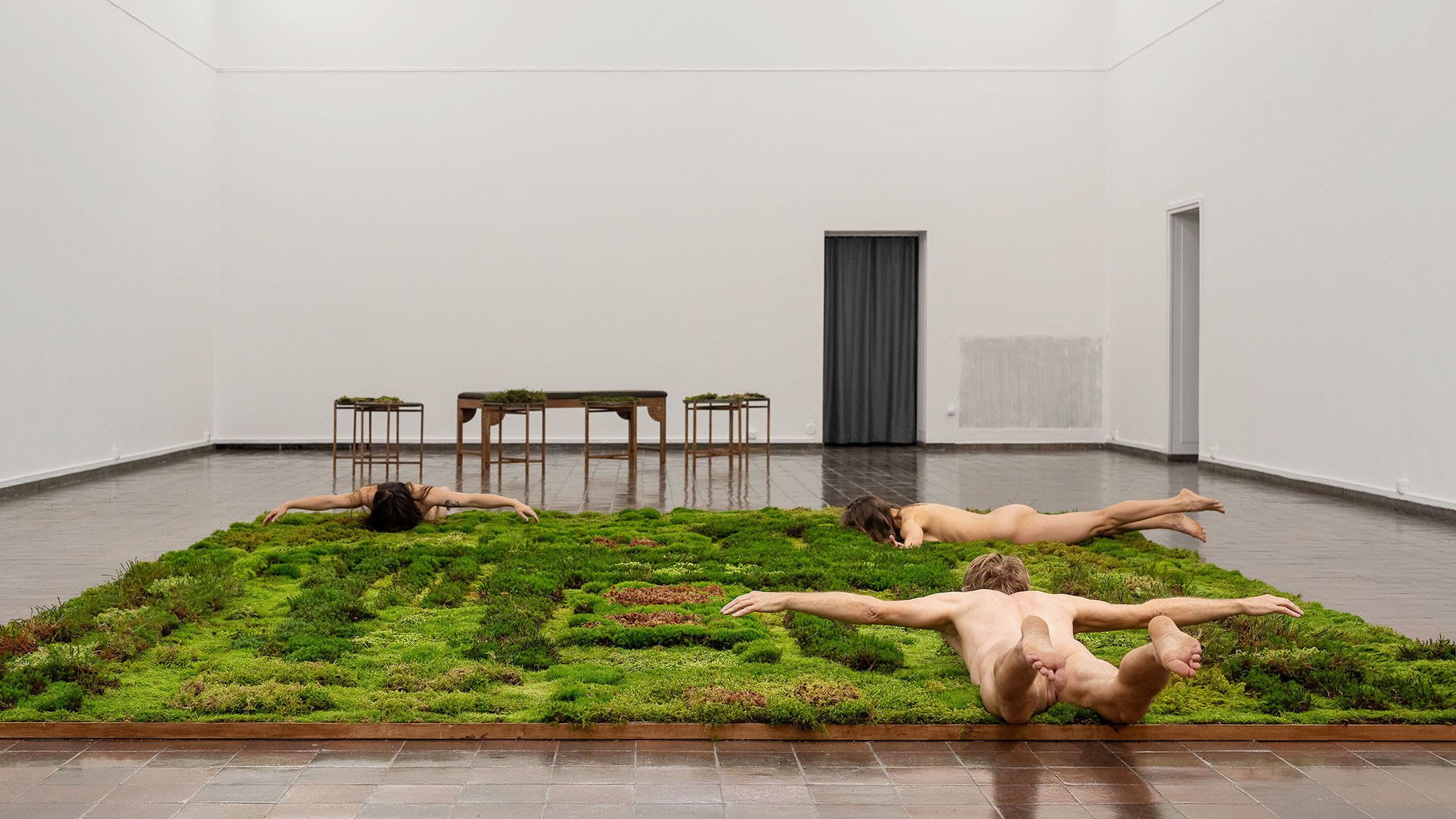
"If we truly want to move towards a future where humans will not be at the center of the world, we must start treating other forms of life and materiality with full respect, biologically, intellectually, and politically." - Zheng Bo.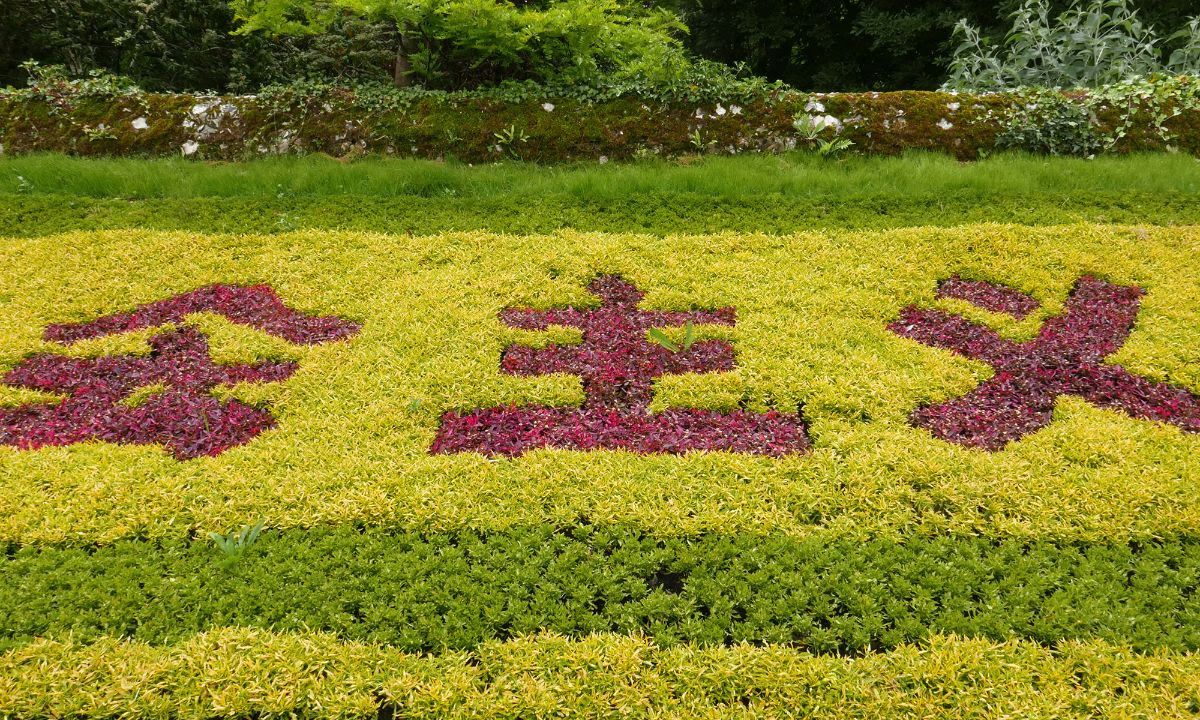
Zheng describes his social practice as "a new art in public space," within which the practice of creating art is inseparable from the daily care of public affairs. For him, artistic work takes the form of socially participatory work, interventions, or engaged work that is beyond personal expression. The role of the artist is to be a kind of initiator or catalyst, whose works are based on collaboration with other citizens or other animal or vegetal species. He, as an artist, categorizes himself among teachers who are "dedicated to the exchange between species," he explores pasts, imagines potential futures or perspectives for marginalized human communities or plant species; he creates weed gardens with living slogans and eco-frame films in which ecological wisdom is cultivated beyond the anthropological matrix.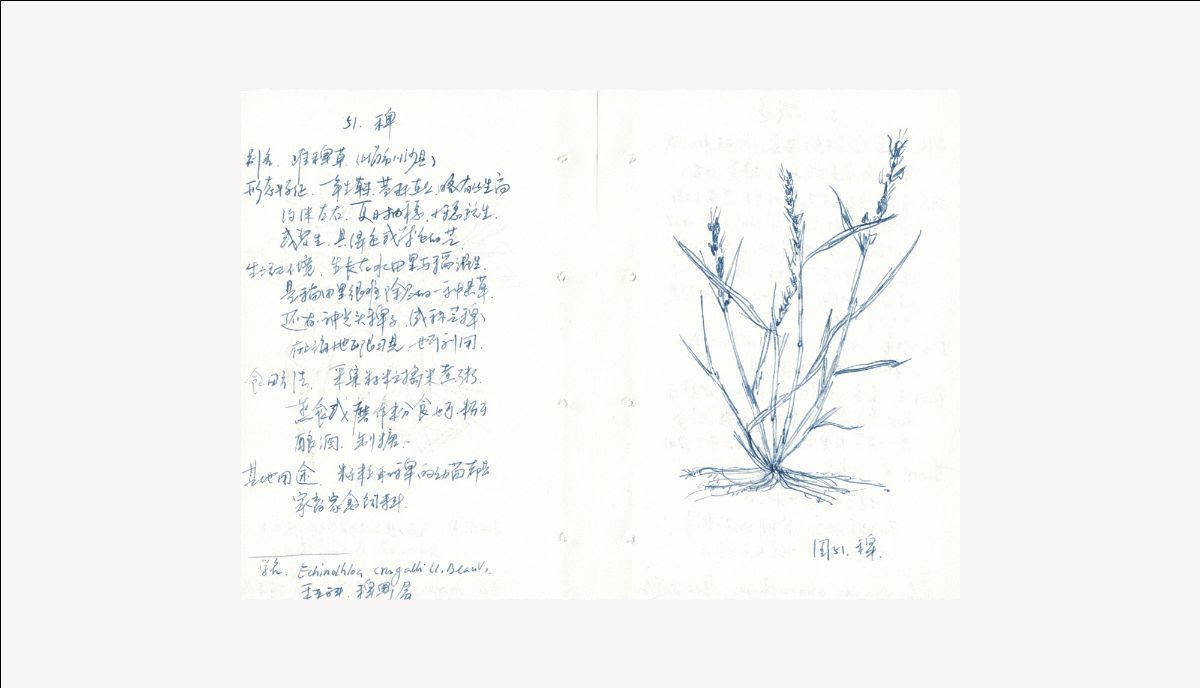
The Communist Party of China issued a directive in 1958 for the inspection, research, and use of freely growing plants in the environment, for the purpose of producing additional food, medical supplies, and industrial materials, resulting in the listing of between two and three thousand plants that had not previously been in mass use for these three purposes. In the first harvest, in 1958, 786 thousand tons were collected, and from the following year, the yield was measured in millions of tons. That year marked the beginning of the "three years of great famine," which followed the "Great Leap Forward," during which, according to official Chinese government data, 14 million people died of hunger. One of the many manuals for detecting edible plants in the local environment was an illustrated book "Edible Wild Plants of Shanghai," from 1961, which Zheng Bo copied by hand into drawings during his sessions of drawing meditations on plant forms, on several occasions.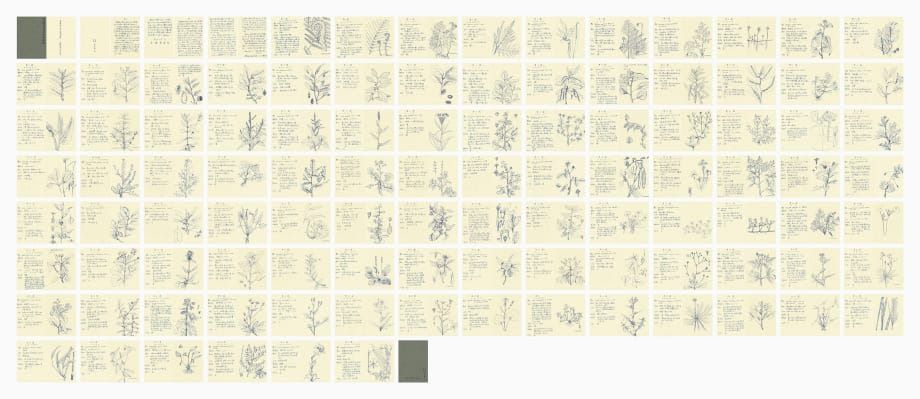
At the 59th Venice Biennale in 2022, Zhang Bo presented his work entitled "Le Sacre du printemps" (Tandvärkstallen). About it, Isabela Azenbah wrote, among other things, the following: "Through socially and ecologically engaged practices, he takes an alternative path that diminishes the significance of a human-centered worldview and instead focuses on the connectedness of all living beings." In the video work, he builds on the eco-sexual curiosities of the work he exhibited under the title "Pteridophilia", and engages five Nordic performers to perform a choreography in which their naked bodies touch tree trunks in various ways in the Dalarna forest in Sweden.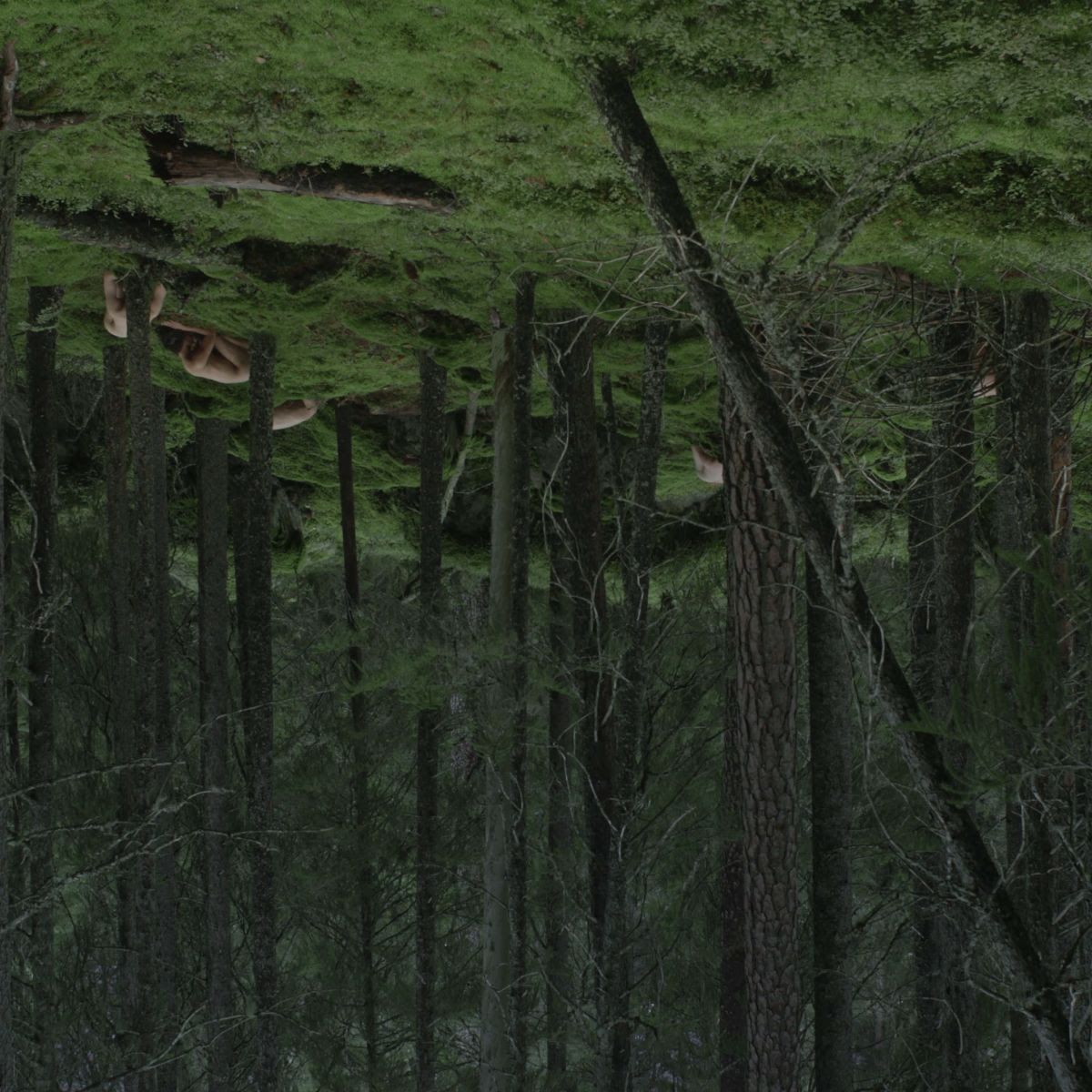
Portrait of a Faith-Plumber
If science and technology have enabled the creation of a human being without sex through artificial insemination (‘immaculate conception’), one may expect that they will one day also enable the disappearance of the human being without death.
The Seductive Emptiness of Form
Wilde’s incisive reflections on false social morality perhaps have an even more piercing effect today, in a contemporary society where the boundaries between lies and truths have become still more fragile and porous, and where the obsession with bodily beauty and youth is far more tragic
Bolet and Marie – cryptoqueer Norwegian photography pioneers
The photography exhibition Bolette Berg and Marie Høeg, organised by the Center for Queer Studies, was held at the European House from 15 to 19 December 2025.