Facing Traumas: Queer and Feminist Themes at the 58th Bitef Festival
Marko Mihailović
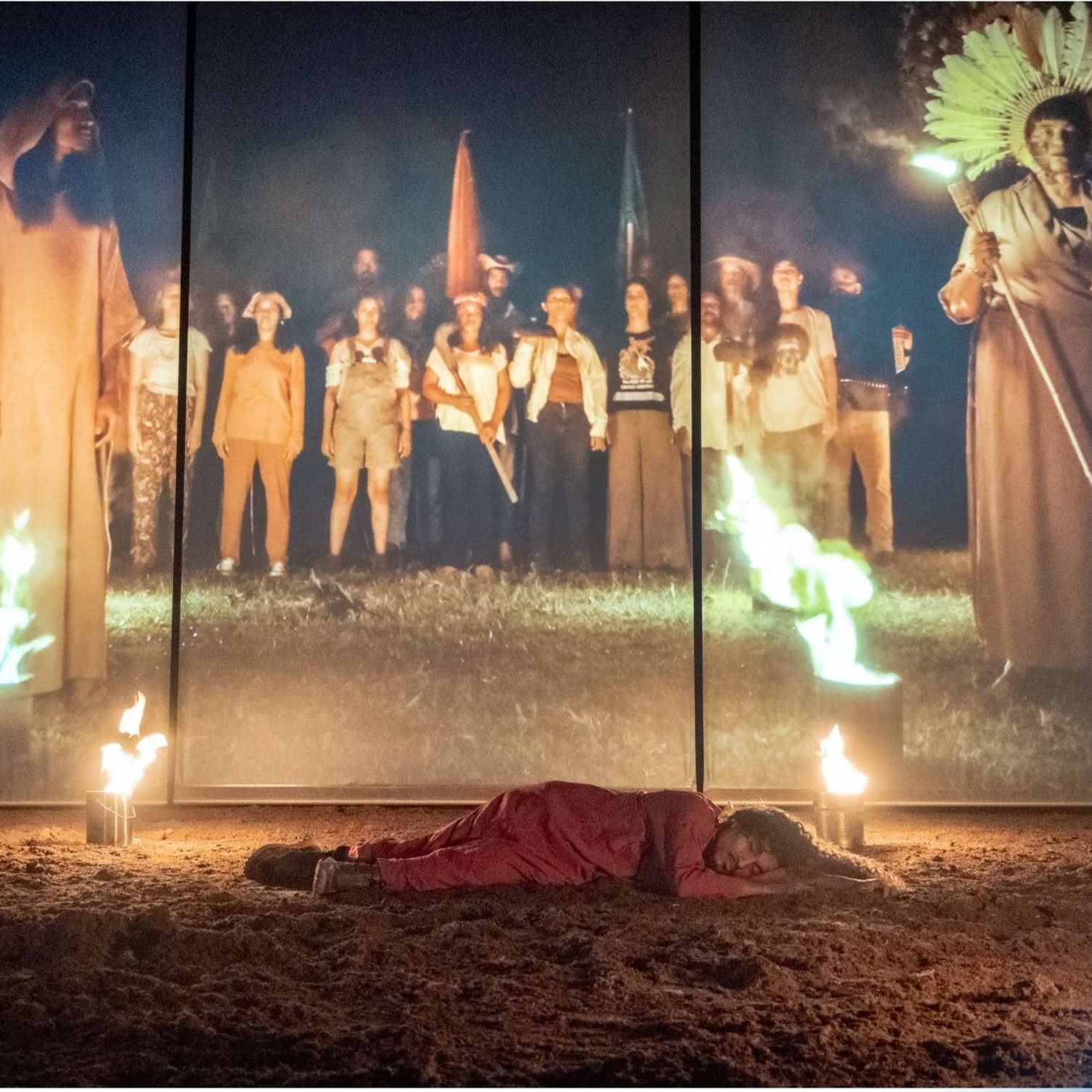
Since the inception of Bitef, socially relevant themes have appeared in performances within the competition program, often sparking discussions both in their countries of origin and locally. This year, the festival opened with a speech by Milo Rau, whose production Antigone in the Amazon was performed at Atelje 212. In this play, Rau places the ancient drama in the context of bauxite exploitation by Rio Tinto in Brazil. This exploitation, along with the company’s intention to mine jadarite in Serbia and the explicit support of European diplomats for such mining in our country (but not in theirs), formed the focus of his opening speech.
A play by Croatian playwright Jasna Žmak, who also won the Mira Trailović Grand Prix, is a lecture-performance titled "this is my truth, tell me yours". This work provides the author with a platform to address confronting traumas—both those arising from direct involvement in a theatrical piece and those deeply rooted in Balkan societies, such as misogyny, patriarchy, and homophobia. Despite the complex nature of her work, it is highly accessible in its approach to themes that most people avoid, whether due to social stigma or a sense of shame. Through her courageous defiance, Žmak uses personal example and direct confrontation with traumas to demonstrate that we can resist societal constraints, no matter how difficult or uncomfortable, thereby empowering those facing similar challenges.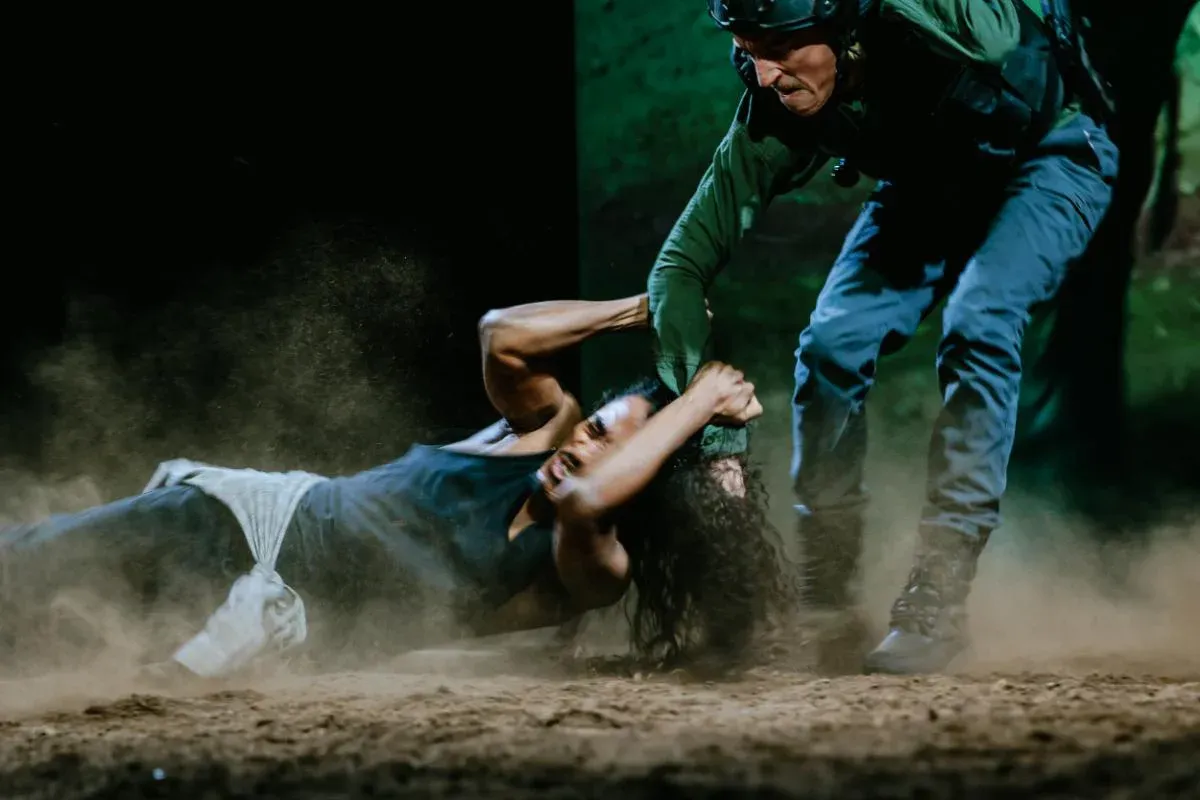 Photo: Nata Korenovskaia/Danas
Another lecture-performance, We’re Going to Make Something About War, Gender, and Freedom, It Will Be Called: What Chelsea Manning Would Say, by Irena Ristić and Đorđe Živadinović Grgur, finds a way to address the figure of Chelsea Manning, the American whistleblower who spent years in prison after releasing over 700,000 confidential documents on U.S. involvement in the Iraq war via WikiLeaks. Manning’s case is unique not only because her actions revealed many secrets of the American military, igniting a debate on the ethics of whistleblowing, but also because she came out as a transgender woman upon her imprisonment and fought for hormone therapy while still incarcerated. Although the authors sensitively addressed Manning’s identity using appropriate female pronouns, many in the audience continued to refer to her with male pronouns. This audience participation demonstrated that even among attendees of elite cultural events like Bitef, there remains significant room for growth in understanding transgender issues and differentiating a person’s gender identity from their work.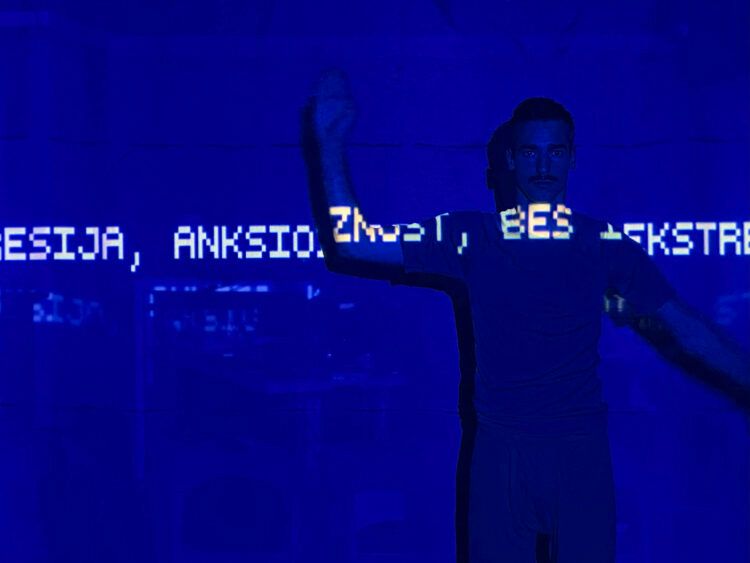
The play that closed the 58th festival edition, "Cadela Força Trilogy - Chapter I: The Bride and the Goodnight Cinderella", left the strongest impression of the three. Brazilian author Carolina Bianchi and her troupe Cara de Cavalo tackle themes of sexual violence against women and femicide, as well as their portrayal in art. Though shocking on its own, Bianchi intensifies the impact by drugging herself with a substance used in date rape, allowing the audience to witness her gradually lose control of her body in real-time. When she loses consciousness, her troupe takes over, exploring femicide and its devastating effects in various but equally powerful ways. In addition to honoring the victims, the play also touches on life after trauma and self-perception following a traumatic event.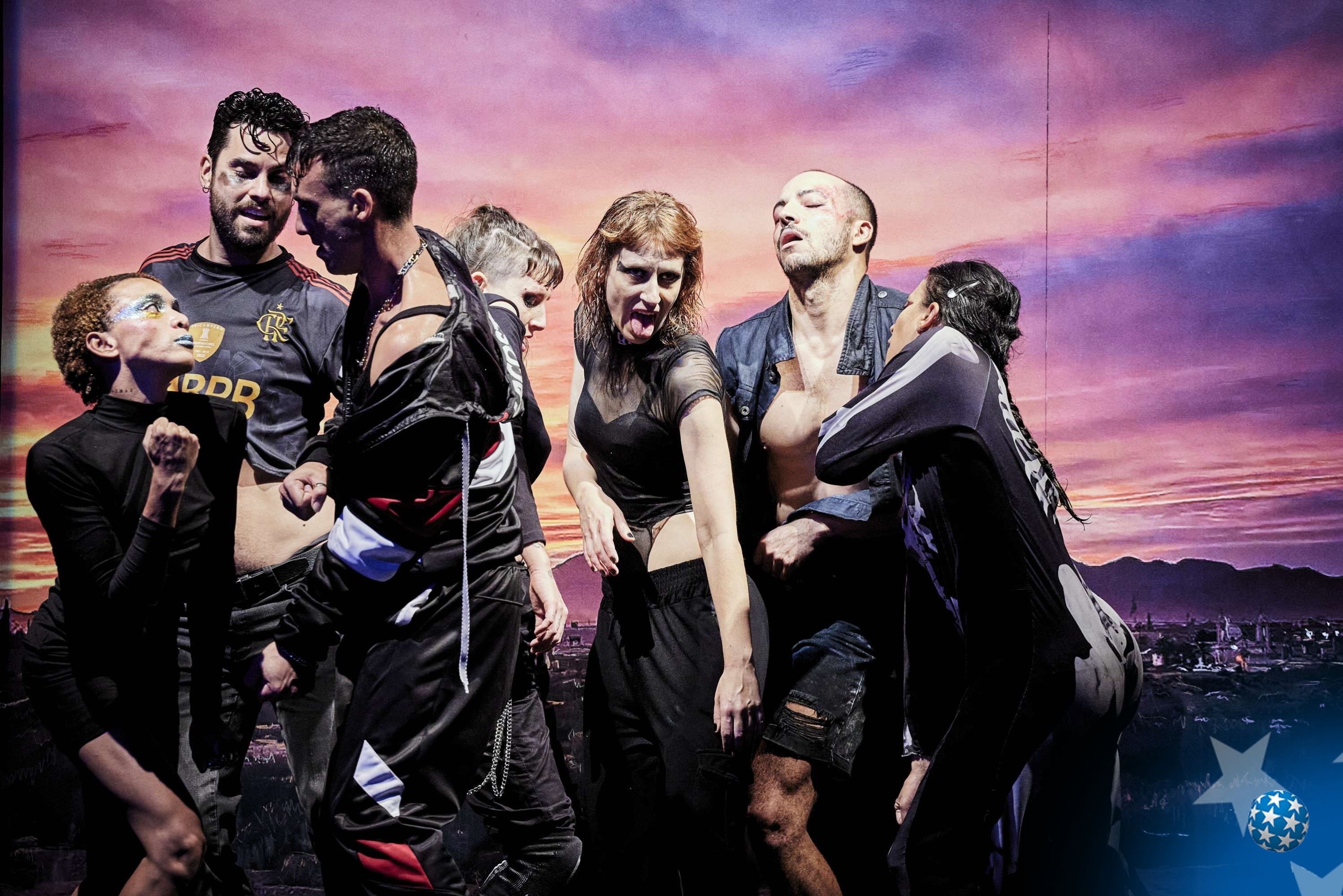
Published on Radar.rs, October 13, 2024.
Portrait of a Faith-Plumber
If science and technology have enabled the creation of a human being without sex through artificial insemination (‘immaculate conception’), one may expect that they will one day also enable the disappearance of the human being without death.
The Seductive Emptiness of Form
Wilde’s incisive reflections on false social morality perhaps have an even more piercing effect today, in a contemporary society where the boundaries between lies and truths have become still more fragile and porous, and where the obsession with bodily beauty and youth is far more tragic
Bolet and Marie – cryptoqueer Norwegian photography pioneers
The photography exhibition Bolette Berg and Marie Høeg, organised by the Center for Queer Studies, was held at the European House from 15 to 19 December 2025.